From 4:00 p.m. to 5:00 p.m. on July 3, 2026, the Karlsruhe chapter of the Society for Threatened Peoples (GfbV, Gesellschaft für bedrohte Völker) held a peaceful rally at St. Stephen’s Cathedral Square in Karlsruhe, Germany. The event commemorated the 17th anniversary of the July 2009 Urumqi Incident. According to the organizers, the incident resulted in heavy casualties, and the human rights situation in Xinjiang has continued to deteriorate ever since, drawing broad international concern. The rally also expressed concern over and opposition to the Law of the People’s Republic of China on Promoting Ethnic Unity and Progress, which officially came into effect on July 1, 2026. Organizers argued that the law could further restrict the linguistic, cultural, and religious freedoms of ethnic minorities and religious groups, and used the event to voice these concerns.
Representatives from several organizations attended the rally, including the World Uyghur Congress (WUC), the Association for the Defense of Human Rights and Religious Freedom (ADHRRF), The Church of Almighty God (CAG), and the Karlsruhe Asylum Support Association (fka, Freundeskreis Asyl Karlsruhe e.V).
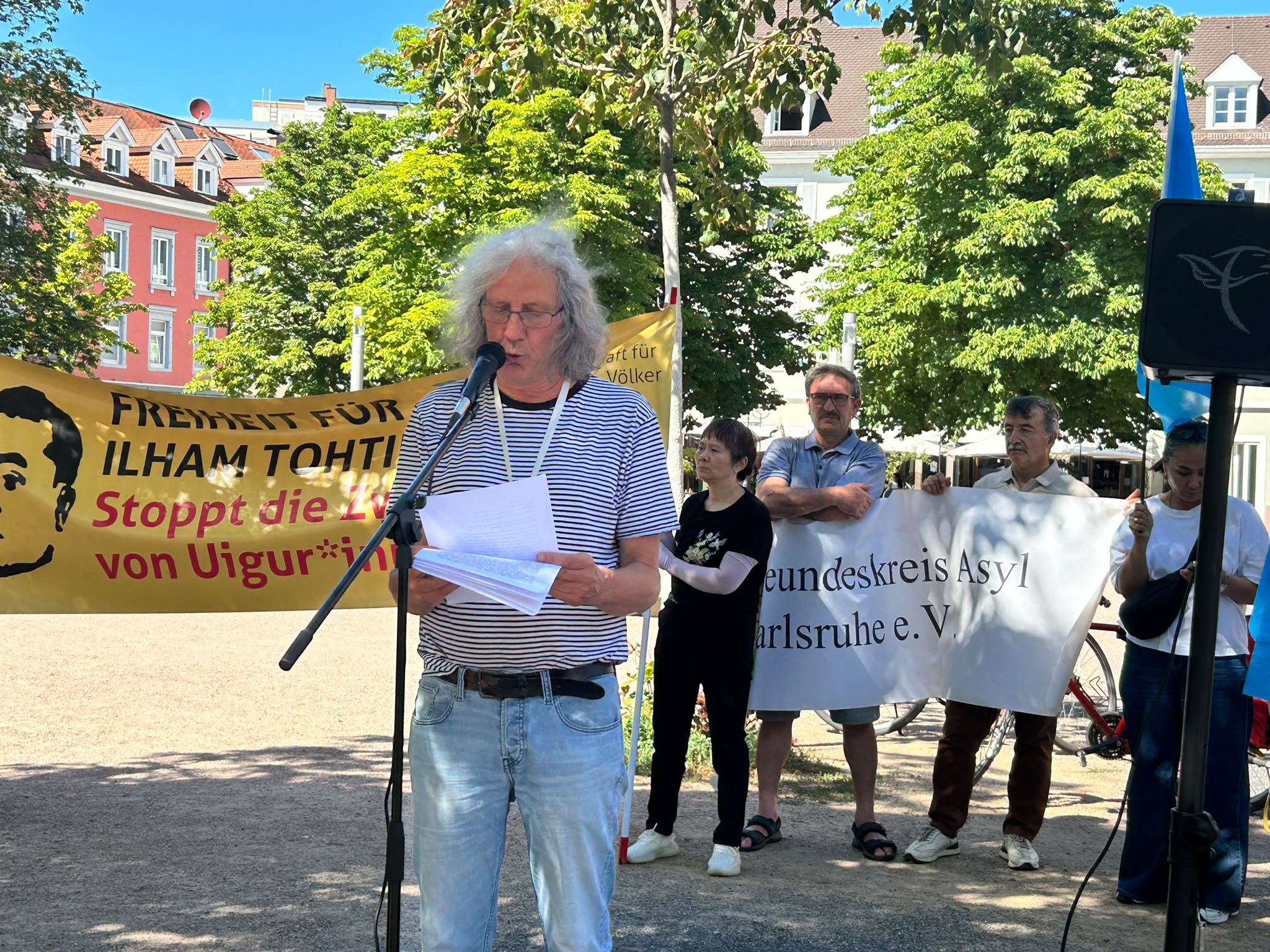
Speaking at the rally, Burkhard Gauly, director of the Karlsruhe Chapter of the Society for Threatened Peoples, stated that following the violent Urumqi Incident 17 years ago, the Chinese Communist Party (CCP) authorities gradually established a systematic campaign of repression against Uyghurs and other ethnic minorities in Xinjiang. Referring to the Law on Promoting Ethnic Unity and Progress, he emphasized that it further strengthens the CCP’s control over minority languages, cultures, and religious affairs while institutionalizing and legalizing policies of so-called “Sinicization” and assimilation.
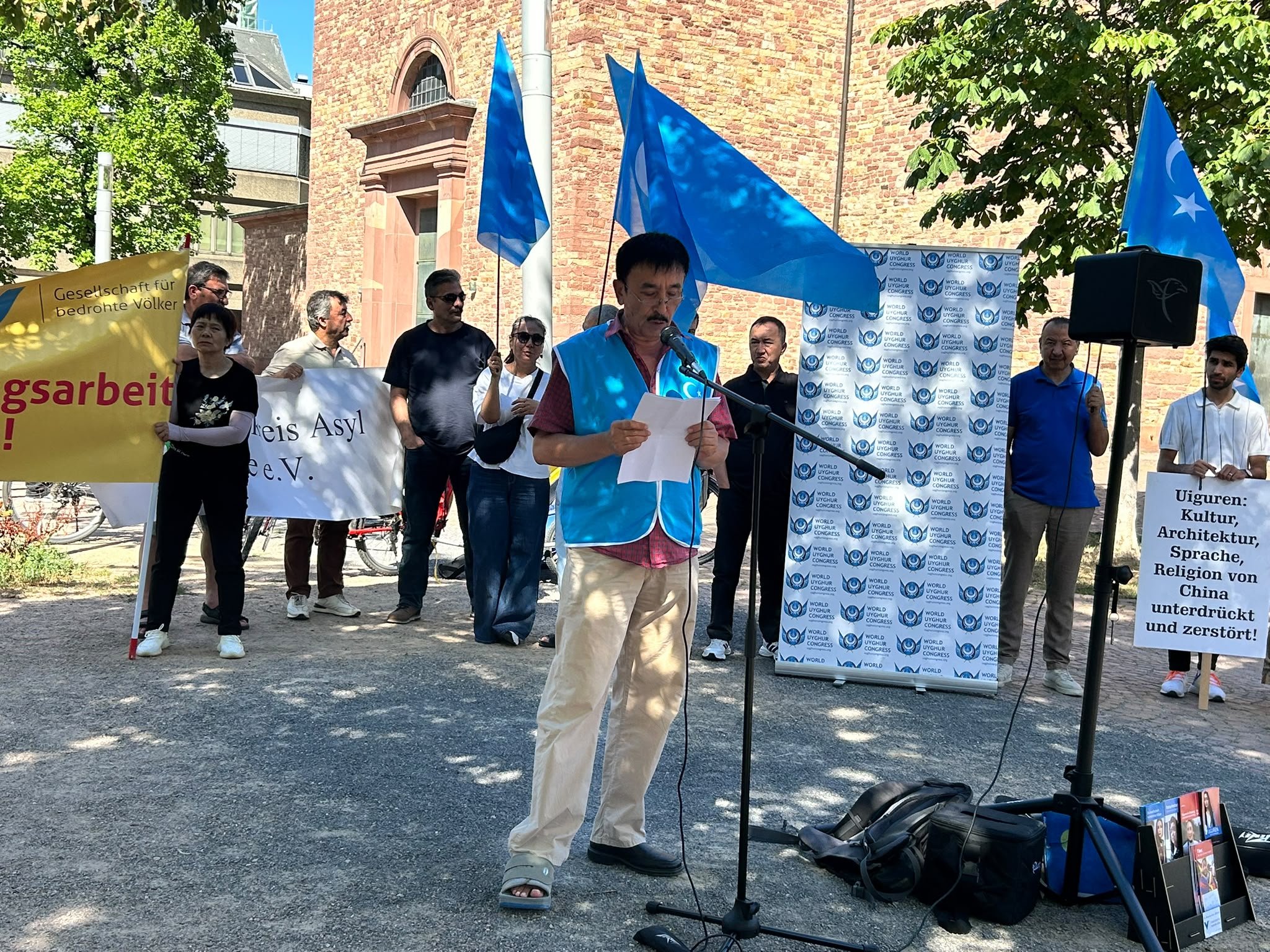
Uyghur representative Anwar Ahmad then reviewed the 2009 Urumqi Incident and its background. He said that discrimination against Uyghurs and the persecution of their human rights and religion have persisted over the past 17 years. He expressed hope that the international community would continue to pay attention to the worsening human rights situation in Xinjiang and speak out for those who remain in difficult circumstances.
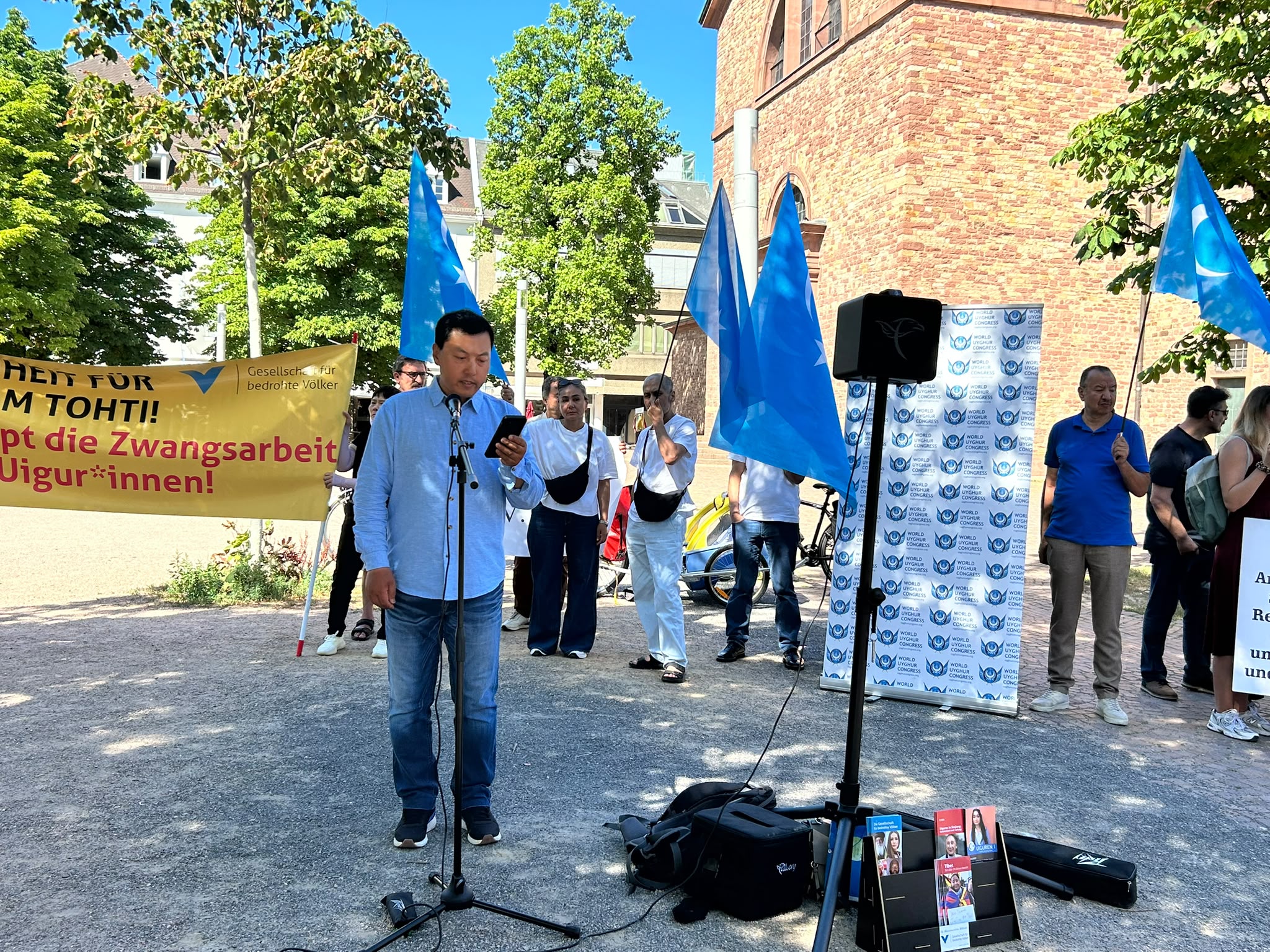
Evan, a Christian from The Church of Almighty God, said that although he is not Uyghur, as a Christian living in exile because of religious persecution, he understands the hardships faced by the Uyghur people. He noted that while different groups have distinct ethnic and religious backgrounds, they all share concerns about fundamental human rights, religious freedom, and the right to live free from persecution. He called on more people to pay attention to the human rights challenges confronting religious communities and ethnic minorities throughout China.
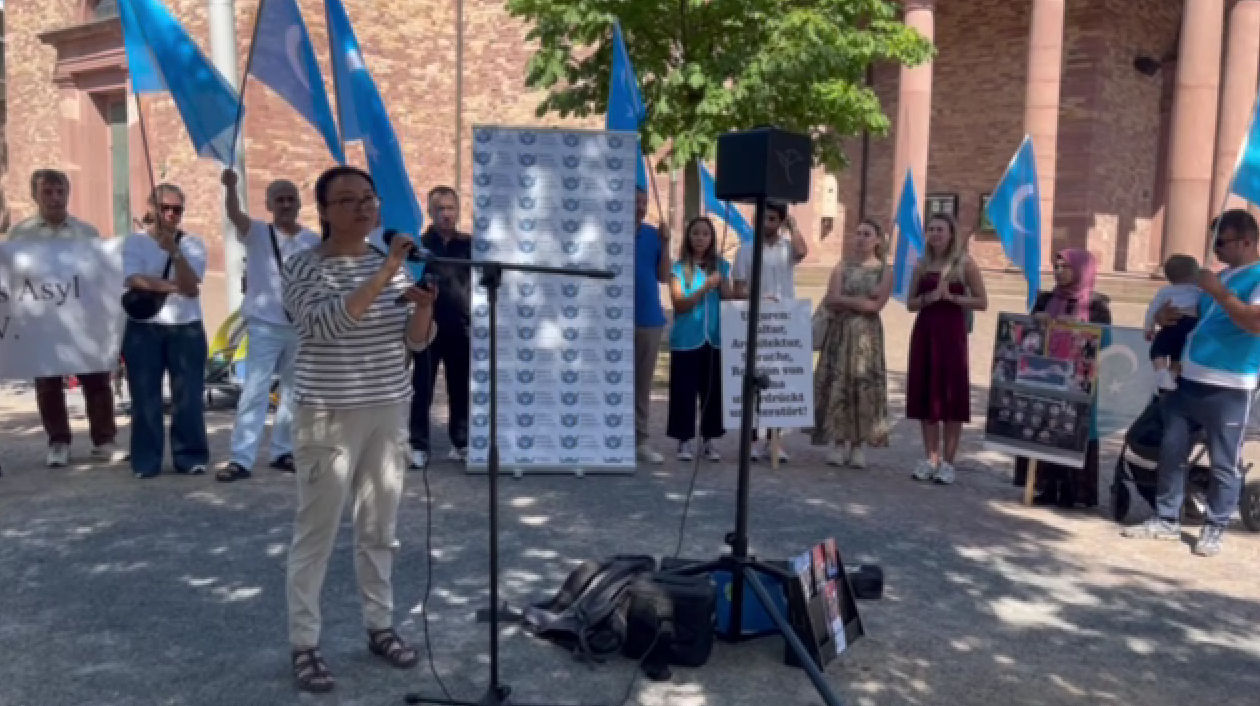
Li Lan, a representative of the Association for the Defense of Human Rights and Religious Freedom, stated that the implementation of the Law on Promoting Ethnic Unity and Progress would further restrict and deprive ethnic minorities of their freedom of religion. She also pointed out that the CCP’s transnational repression—including the surveillance and intimidation of Uyghurs and overseas exiles it targets—continues unabated. She stressed that “human rights should never be sacrificed for economic interests, and remaining silent about the abuses of trading partners makes one complicit.” She called on the international community to stand with persecuted groups and speak out on their behalf.
At the conclusion of the rally, the organizers issued a series of appeals to both the Chinese government and the international community. They called on the Chinese government to conduct a comprehensive investigation into the violence and casualties associated with the July 5 Urumqi Incident in 2009; release detained members of ethnic minority groups and religious believers; repeal the newly enacted Law on Promoting Ethnic Unity and Progress; and end its campaign of transnational repression against overseas communities. Addressing Germany and the broader international community, the organizers urged the German government to adopt stronger measures to counter the CCP’s transnational repression, strictly enforce the German Supply Chain Due Diligence Act (LkSG, Lieferkettensorgfaltspflichtengesetz) to protect workers’ rights throughout supply chains, and ensure that human rights in Xinjiang and accountability for past abuses are included in all bilateral dialogues with China.