He traveled to Korea’s Jeju Island with friends. Nobody escaped. All returned. But it was enough to go to jail.

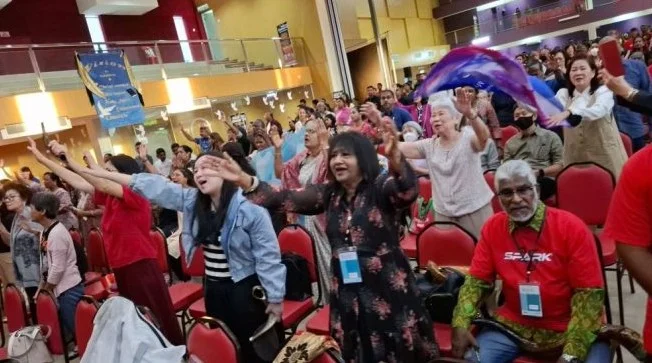
It begins, as so many Chinese legal dramas do, with a perfectly ordinary act. A pastor buys a plane ticket, passes through customs, and takes his friends to South Korea’s Jeju Island—a visa‑free paradise better known for honeymooners than dissidents. They return home, suntanned and unscathed. Months later, the pastor is in shackles, accused of “organizing others to cross the national border illegally.”
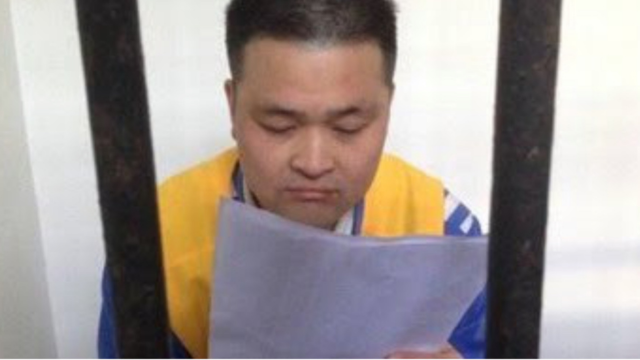
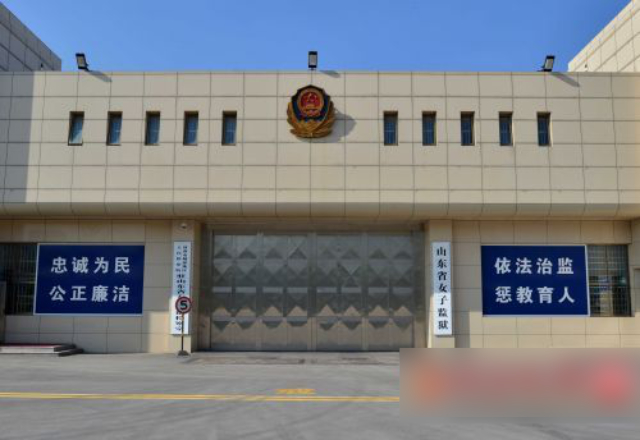
On December 15, 2023, Pastor Sun Chenghao of Zhangye, Gansu, was arrested. On November 20, 2025, the Ganzhou District People’s Court sentenced him to four years and six months in prison and fined him 10,000 yuan. His term runs until June 15, 2028.
Sun, born in 1982, is ethnically Korean. His family migrated from northeast China to the arid northwest, carrying with them the evangelical zeal of his father. He grew up steeped in sermons, hymns, and the conviction that souls were worth saving. By his twenties, he had dedicated himself to ministry.
The state’s version of his biography is less romantic. In their telling, he is not a pastor but a smuggler, not a tourist but a trafficker of souls across borders. His WeChat group, innocently titled “Jeju Free Travel,” becomes Exhibit A in a case of “illegal organization.”
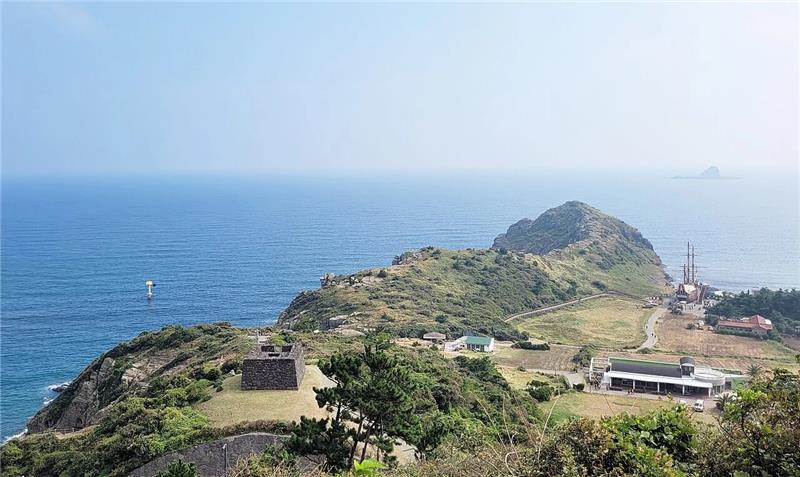
Jeju Island’s visa‑free policy has long been a loophole for Chinese citizens seeking asylum in South Korea. Some never return. Authorities know this, and they exploit the association. In Sun’s case, however, everyone did return. No asylum applications, no clandestine disappearances. Just a holiday.
Yet the mere possibility of escape is enough. The state treats Jeju tourism as ideological contraband. To travel is to flirt with treason. To organize travel is to invite suspicion of collective dissent.
The charge—“organizing others to cross the national border illegally”—is a rhetorical cudgel. It allows the state to transform ordinary mobility into subversion. The ambiguity is the point: if Jeju can be asylum, then Jeju can be crime.
This is lawfare in its purest form: the weaponization of statutes to discipline pastors, activists, and anyone whose loyalties lie beyond the Party. Courts become stages, verdicts become sermons, and the message is clear—faith that travels is faith that betrays.
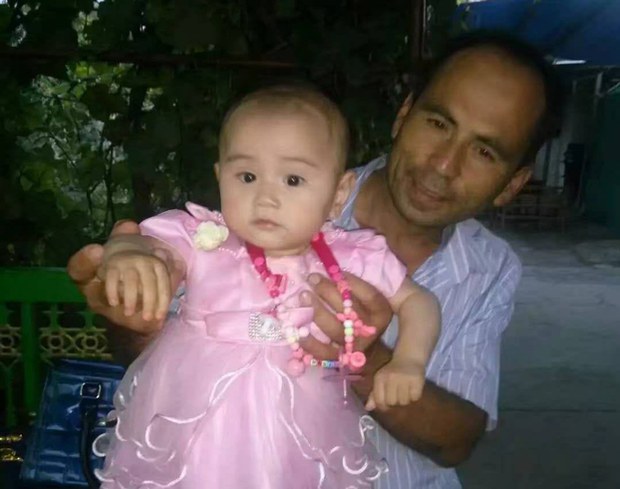
Sun’s wife and daughter are left isolated in Zhangye, forbidden contact with church members who themselves have been interrogated and warned. The punishment metastasizes beyond the prison walls, dismantling community ties and instilling fear. A pastor who sought to shepherd souls across borders of geography now finds himself condemned for crossing borders of law.
Pastor Sun Chenghao’s case is not about border security. It is about the boundaries of thought and belief. By criminalizing tourism, the state criminalizes faith.
Jeju’s beaches, in this telling, are not a holiday destination but a courtroom trap. The verdict sentences Sun for what he represents: a pastor whose independence, whose congregation, whose very act of organizing, is intolerable.
In China’s authoritarian lexicon, even a holiday can be rewritten as heresy.
Source: Bitter Winter