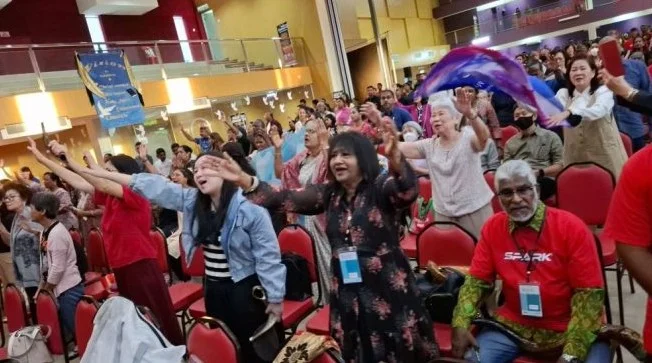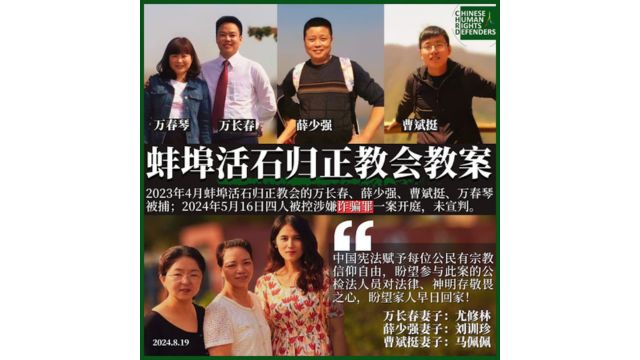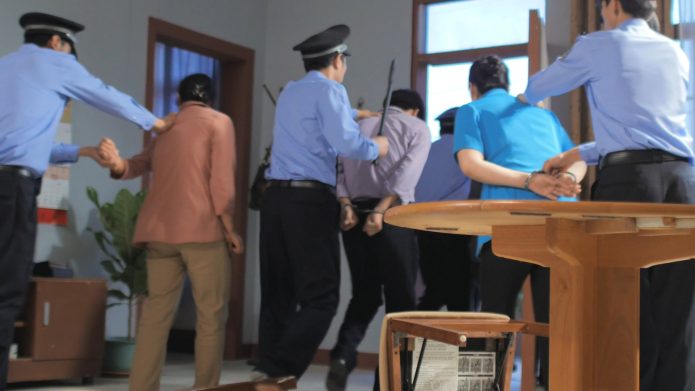
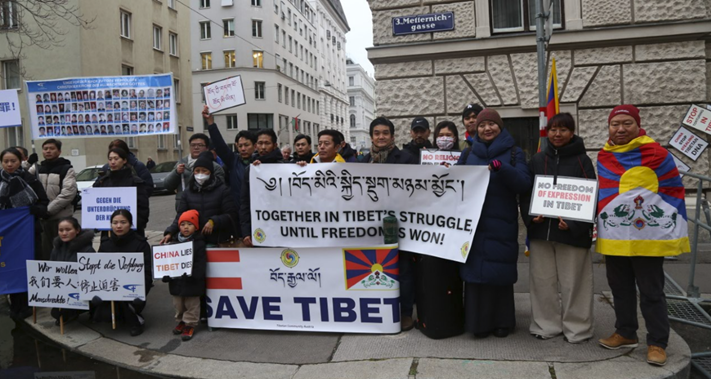
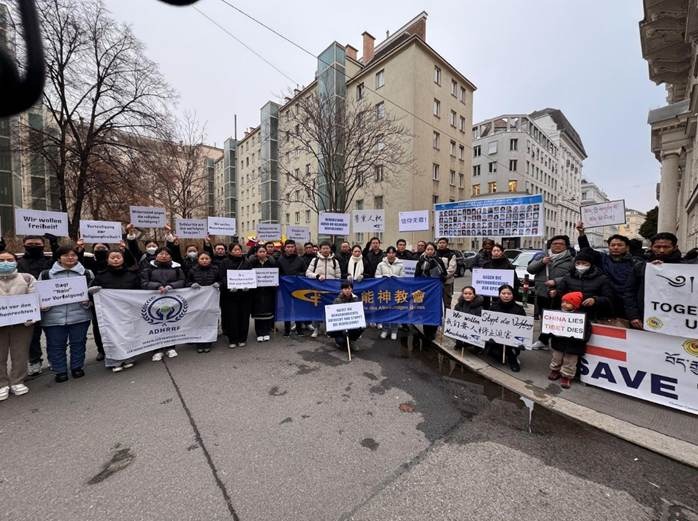
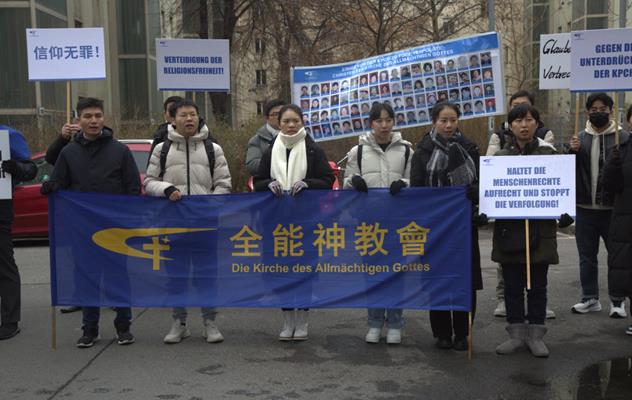
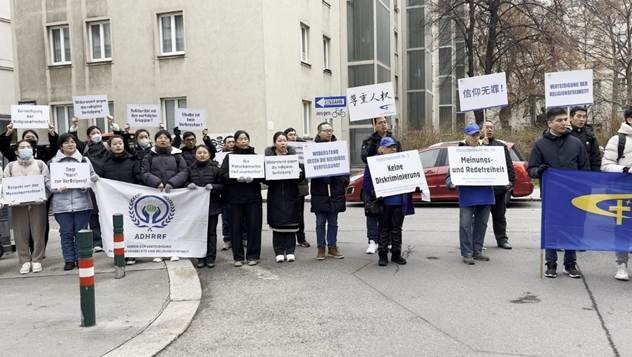
On December 10, 2025, at 1:30 p.m. local time, under overcast skies in Vienna, Austria, dozens of Tibetans, Christians from The Church of Almighty God (CAG), and members of other religious and civil groups gathered outside the Chinese Embassy in Austria, holding placards and taking part in a “Human Rights and Peace” protest. The protestors called on the Chinese government to immediately stop its persecution and urged the international community to pay close attention and provide support. As the host city of several United Nations human rights bodies, Vienna has long been regarded as an important symbol of the international human rights system, making this protest outside the Chinese Embassy particularly timely and significant.
“All human beings are born free and equal in dignity and rights.” Today, 77 years after its adoption in 1948, this opening line of the Universal Declaration of Human Rights remains deeply significant. To commemorate the Declaration, the United Nations established Human Rights Day to raise public awareness of freedom and equality and to call on governments around the world to strengthen the protection of human rights.
At 1:00 p.m. that afternoon, the event began as scheduled. Tibetan representatives opened the gathering with a song in the Tibetan language, expressing concern for people persecuted by the Chinese Communist Party (CCP). The melody was solemn yet powerful, lingering in the air outside the Chinese Embassy in Austria. Those present listened in silence, their expressions grave, as a somber atmosphere enveloped the scene.
This was followed by remarks from Tenzin Kunga Ganga, President of the Tibetan Community in Austria (Tibeter Gemeinschaft Österreich), who outlined the agenda of the rally and described the ongoing persecution Tibetans have faced under the CCP since 1950.
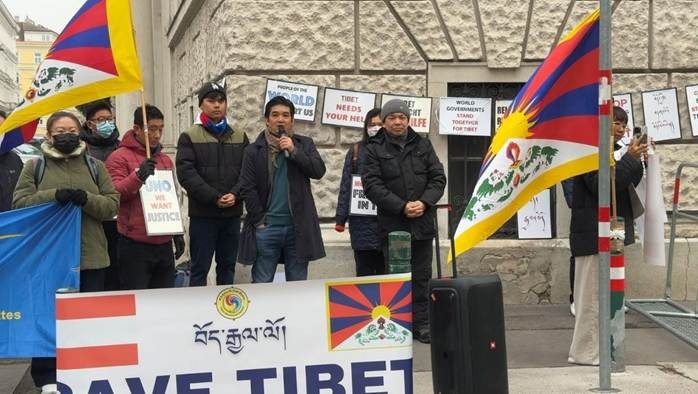
Next, Tsepa, a representative of the Voluntary Tibet Advocacy Group, spoke and once again emphasized the significance of International Human Rights Day. “Please remember: December 10 each year reminds us that the Universal Declaration of Human Rights was adopted in 1948, proclaiming that these rights are meant to apply to everyone.”
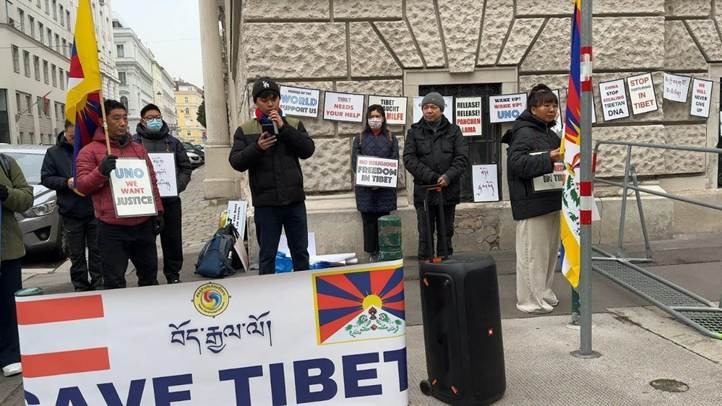
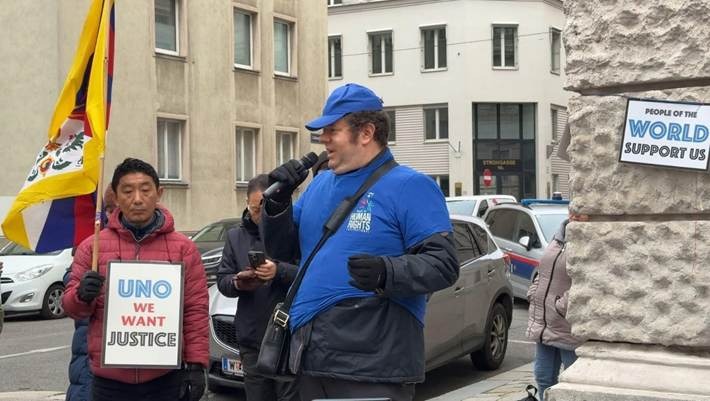
Fritz Schebeczek, President of Youth for Human Rights Chapter Austria (Jugend für Menschenrechte Österreich), added: “It has been 77 years since the Universal Declaration of Human Rights was adopted. Seventy-seven years should actually be long enough to implement the values enshrined in this Declaration—and to implement them worldwide.”
Afterward, participants chanted slogans in unison outside the Chinese Embassy in Austria: “China has no human rights!” “Who is the killer? The Chinese government!” and “We demand human rights!” The chants condemned the CCP’s persecution of religious belief and human rights and voiced a powerful demand for freedom and human rights. The slogans echoed through the street, marking the emotional peak of the protest.
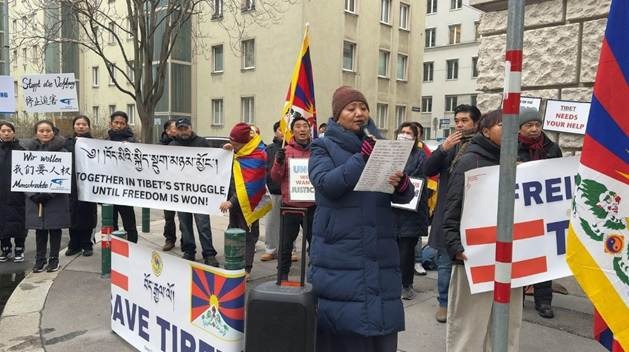
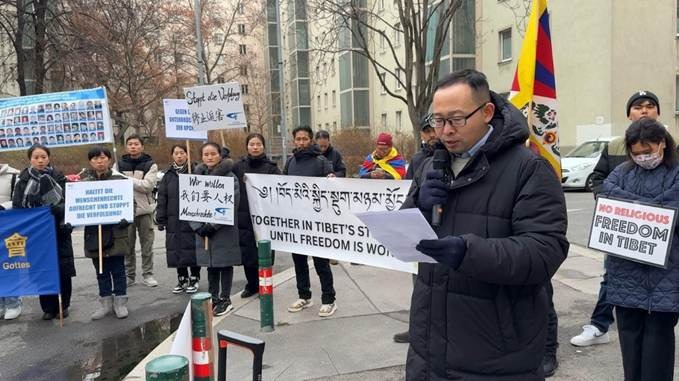
Xiao Yong, a Christian from The Church of Almighty God who was invited to speak, took the stage and shared with those present the current realities of religious freedom and human rights in China.
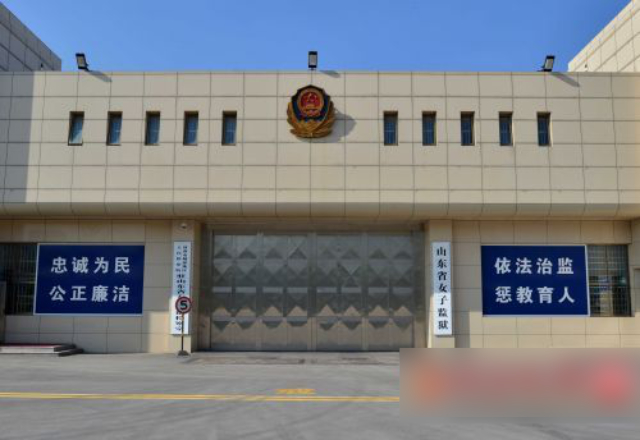
“For more than seventy years under CCP rule, repression and persecution of religious groups—including Protestant Christians, Catholics, Buddhists, and Muslims—have never ceased. Religious sites such as temples and churches have been shut down or demolished; sacred texts including Buddhist scriptures and the Bible have been altered or burned; religious symbols such as crosses have been removed; and large numbers of religious leaders and believers have been arrested, tortured, and harshly sentenced.”
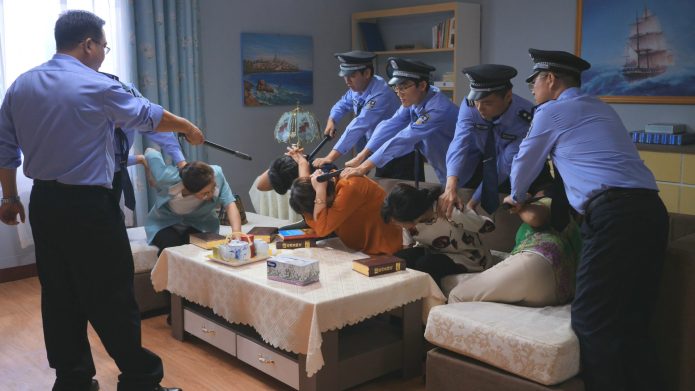
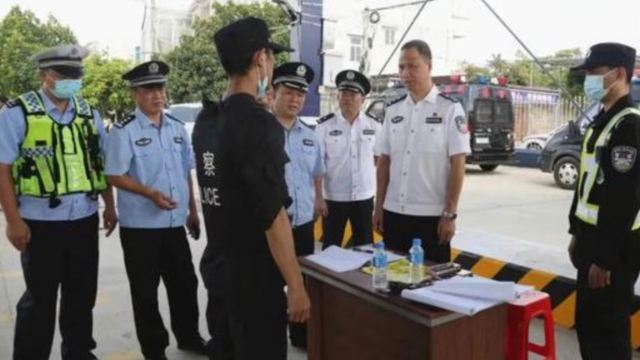
He also referred to the CCP’s brutal persecution of The Church of Almighty God in recent years. According to incomplete statistics, between January and September 2025, at least 12,000 CAG Christians were arrested, with the oldest being 93 years old. Nearly 4,000 were subjected to forced indoctrination, and at least 17 were persecuted to death.
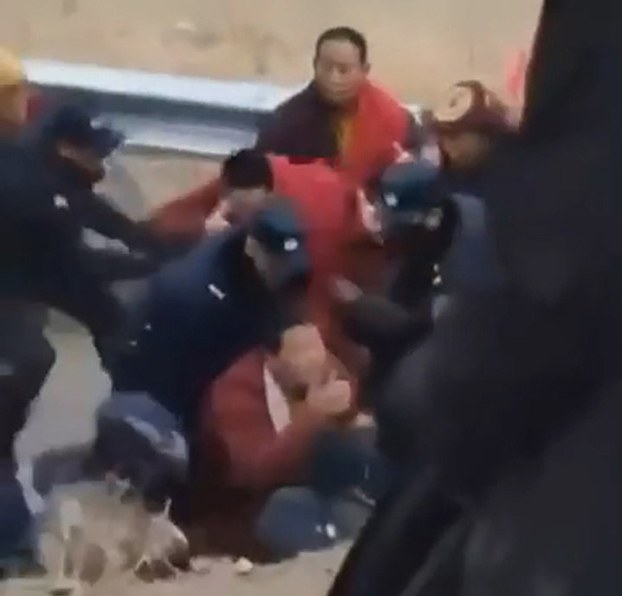
The abuses described represent only the tip of the iceberg of the CCP’s extensive human rights violations. At the same time, ethnic minority groups such as Tibetans and Uyghurs have been subjected to racial persecution; the human rights of democracy advocates—such as human rights lawyers and dissidents—have been trampled upon; democratic freedom in Hong Kong have been dismantled; and freedom of expression for the Chinese public has been comprehensively stripped away. There is no doubt that the CCP is carrying out systematic and large-scale crimes against humanity.
Some Chinese Christians also took part in the protest. They had personally experienced arrest and persecution by the CCP and were forced to flee China and seek refuge overseas.
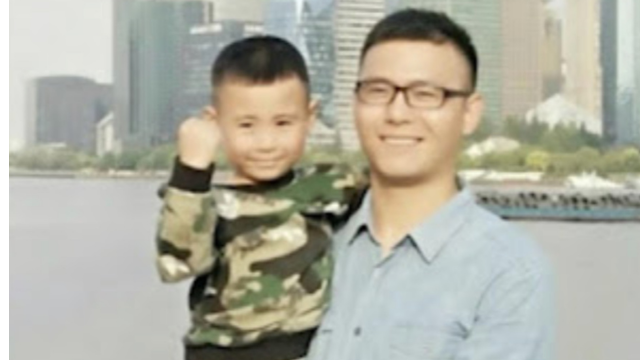
Christian Lin Hai once had a happy family, but it was torn apart due to the CCP’s arrests. His younger brother was subjected to torture because of his faith, and his younger sister narrowly escaped death at the hands of the police. Her whereabouts remain unknown, and it is unclear whether she is still alive.
Lin Hai said: “In 2013, my younger brother was reported while preaching the gospel and was arrested by CCP police. In order to extract information about church leaders and church assets, the police subjected him to torture. They handcuffed him to a steel pipe at the highest point of a window frame. He could only touch the ground with the tips of his toes and was forced to remain suspended the entire time. He was left hanging there for nearly twelve hours, and the handcuffs had cut into the flesh of his wrists. In 2015, my sister was also arrested by CCP police. During interrogation, officers used brutal methods to force her to betray fellow church members. She was beaten until her body convulsed, her lips turned purple, and she lost consciousness. Fearing that she might die in custody and that they would be held accountable, the police dumped her out of the police station.”
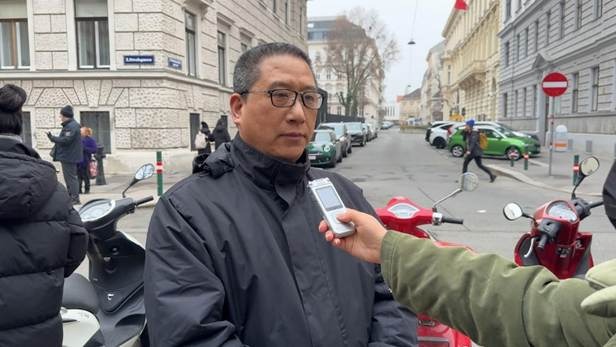
When asked about the current situation of his brother and sister, Lin Hai’s eyes filled with tears as he said: “After my sister regained consciousness, she feared being arrested again by the police and fled her home to go into hiding. Since then, her whereabouts have remained unknown. I am deeply worried and heartbroken, and I don’t know where my brother and sister are now, or how they are surviving…”
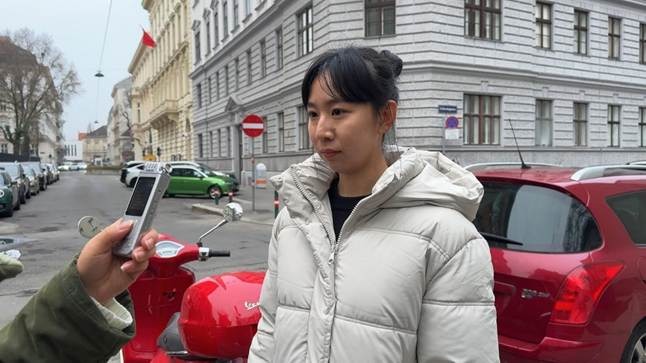
Christian Xiao Han was arrested and interrogated by police in China and pressured to provide information about the church. Recalling the experience, she said, “For a long time after my release, I lived in constant fear. At night, I would dream of being interrogated and threatened by the police, and many times I jolted awake from those nightmares.”
As she spoke about her family, pain was evident in Xiao Han’s eyes. “The police repeatedly came to my home with local village committee officials to harass my family. I couldn’t attend gatherings or have contact with fellow believers, and my family lived in constant fear. Because of her faith, my mother didn’t even dare to return home. The police also threatened that if they discovered I continued to believe in God, my sister’s job would be affected as well. Facing persecution by the authorities and misunderstanding from my relatives, I felt deeply distressed and overwhelmed. In the end, I took the risk and fled China.”
Wen Tao’s mother and maternal aunt were subjected to home raids and arrested by CCP police for believing in God and sharing the gospel. Even after their release, they were kept under surveillance and harassed for as long as a decade. This left Wen Tao with a lasting trauma.
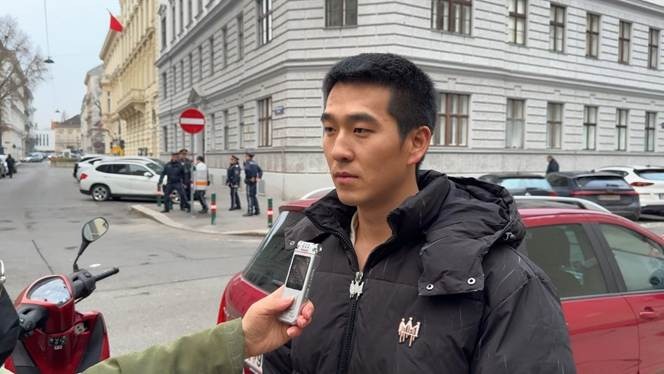
Wen Tao said: “For a long time, I kept having nightmares, dreaming that I was being arrested by the police. After that, whenever I saw the police, I felt afraid—fearing that one day I might also be taken away by them.”
Christian Lin Shu narrowly escaped a large-scale CCP arrest operation and described the atmosphere of terror at the time.
Lin Shu said: “Dozens of brothers and sisters from my church were arrested by CCP police. Two of my church co-workers, as well as the brothers and sisters who had hosted them, were also taken away. I later learned from other church members that the police were using photos taken from surveillance footage to search for me everywhere. I was constantly facing the risk of being arrested, sentenced, or even subjected to torture, and I was living in deep fear.”,
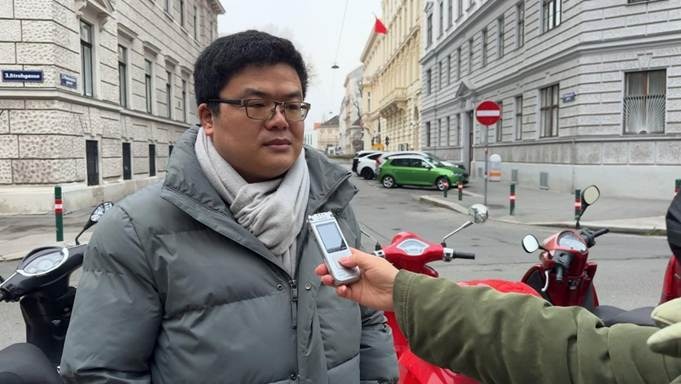
Subsequently, Lin Shu was forced to flee overseas in order to continue practicing his faith. However, the CCP’s transnational repression and surveillance continue to leave him living in fear.
Lin Shu said, “The CCP posted photos of me and some fellow believers online and spread false accusations about us. I felt deeply indignant. What the CCP has done is utterly shameless and deeply evil.”
Although temperatures were low on the day of the event, Christians from The Church of Almighty God, ADHRRF representatives, and members of Tibetan organizations remained standing outside the Chinese Embassy in Austria, holding flags and placards—silently yet resolutely denouncing the CCP’s authoritarian repression.
One large banner bearing 72 portraits was particularly striking, depicting Christians who were persecuted to death by the CCP solely for remaining steadfast in their faith.
As the protest drew to a close, some participants were interviewed regarding their views on the state of religion in China.
Christian Anwei said: “The CCP is an atheist party, and for more than 70 years since its founding, it has never stopped suppressing and persecuting religious beliefs. Religious believers are arrested, sentenced to harsh prison terms, and some are even tortured to death simply for holding fast to their faith. The freedom of belief should be a basic human right, yet it has been completely stripped away by the CCP—this is deeply infuriating. The CCP shows contempt for the law, tramples on human rights, and destroys lives. Its actions are truly evil and utterly reckless.”
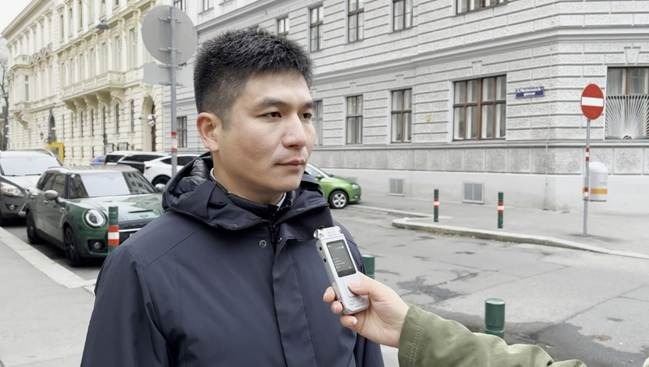
Xin Ming, a Christian from a house church, also strongly condemned the CCP’s persecution of religious freedom. He said, “On the surface, China claims to have freedom of religion, but in reality, the CCP simply does not allow people to believe in God. When I practiced my faith and attended gatherings in China, I faced constant restrictions. We were forced to live in hiding, and we didn’t even dare to speak loudly or praise God during gatherings. Many brothers and sisters from our church have been unable to return home because of the CCP’s persecution. Some have been arrested, imprisoned, and tortured, and some have even been beaten to death by CCP police. The CCP is utterly shameless and truly evil. I feel deeply angry, and I want to speak out here for our persecuted brothers and sisters: Faith is not a crime! Stop religious persecution.”
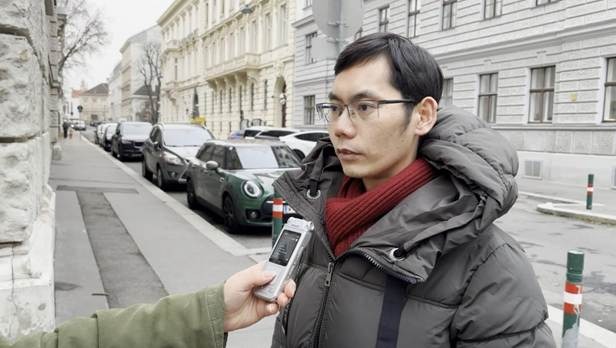
Zhou Zhou, a Christian from a house church, spoke about the reality behind China’s so-called “freedom of religion.” She said, “The CCP adheres to Marxism and is an atheist party. Whether Protestants, Catholics, Buddhists, Muslims, or members of other religious groups, all have been subjected to brutal suppression and persecution. Religious leaders and lay believers have been arrested in large numbers, given harsh sentences, and subjected to torture. Countless people have even lost their lives as a result of the CCP’s persecution. The so-called ‘freedom of religious belief’ is in fact nothing more than a shameless tool used by the CCP to deceive Chinese people and mislead the world.”
She urged the international community to condemn the CCP’s human rights violations and closely monitor the human rights situation in China.
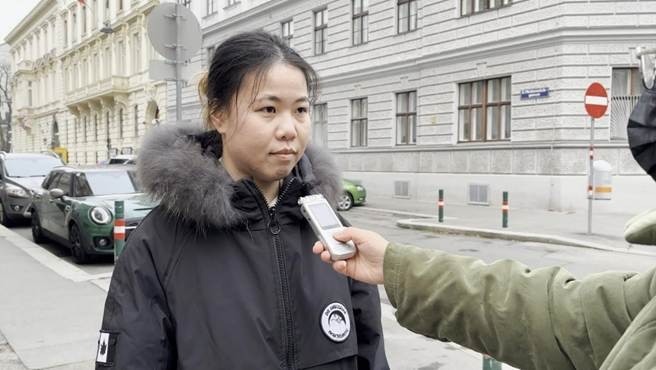
At 3:00 p.m. local time, the protest came to an end. Yet the calls that rang out that day outside the Chinese Embassy in Austria—“End religious persecution!” “Stop CCP tyranny!” “Faith is not a crime!” and “Say no to persecution!”—seemed to linger in the streets. These voices were not only a denunciation of persecution, but also a shared expression of the yearning for faith and freedom. Through their actions, the protesters sent a clear message: the effort to defend human rights will never stop.