Jimmy Lai, a pro-democracy media mogul and well-known Catholic layperson from Hong Kong, won an appeal this week against a 2022 fraud conviction for which he had been serving a six-year sentence.
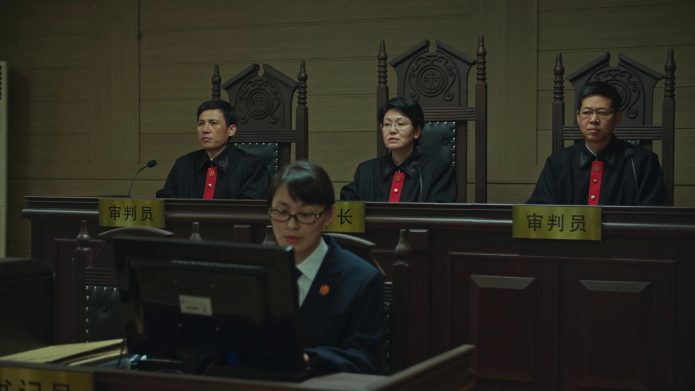
The reprieve provides little reason for him to celebrate, however, as it comes less than two weeks after he was sentenced to 20 years in prison under separate national security-related charges. That sentence is unaffected by this week’s ruling. Lai’s daughter, Claire, described this week’s ruling as “nothing more than a PR move” designed to disguise the harsh terms of imprisonment handed down to her father earlier this month.
That 20-year sentence is the longest to date under China’s national security law and essentially constitutes a life sentence for the 78-year-old defendant whose health is reportedly failing under inadequate medical care. His family also reports that authorities are preventing him from practicing his faith.
Lai founded the Apple Daily tabloid in 1995, quickly building it into Hong Kong’s largest pro-democracy publication. When Beijing moved to absorb the city into its broader system of communist-driven authoritarianism in 2020, Lai and Apple Daily quickly came under scrutiny, and the paper was shut down in 2021 after Lai and other staff members were arrested.
Since that time, Lai has become an international symbol of the Chinese Communist Party’s aggressive stance against free speech, religious freedom, and democratic values. Leveraging the same argument it regularly uses against religious groups, the Chinese government insists that figures like Lai represent an untenable threat to its national security.
A campaign is ongoing requesting that the U.S. government demand Lai’s release as part of its economic deals with China. In October 2025, a reporter asked U.S. President Trump, as he was boarding Marine One for a summit with Chinese President Xi Jinping, whether he would raise the Lai case. Trump responded, “it’s on my list—I’m going to ask,” adding that Lai and Xi “are big enemies, so we’ll see what happens.”
In the days leading to the summit, human-rights organizations and some lawmakers — including a group of senators who publicly petitioned the White House — mounted a visible campaign to ensure that religious liberty and individual cases would be discussed, arguing that economic or security gains should not come at the expense of human-rights advocacy.
Those calls intensified in the run-up to the meeting, with letters and public appeals urging the U.S. president to raise Lai’s situation directly with Xi.
President Trump reported after the meeting that he had brought up Lai’s case, but those efforts have, so far, failed to yield the desired results.