In the town of Cernusco sul Naviglio, located near Milan in northern Italy, the KUNE – Culture in Festival, themed “Culture, Exchange, and Inclusion,” opened on May 16. Cultural groups from Ukraine, Peru, Brazil, China, and many other countries and regions gathered together to showcase their ethnic cultures through dance, music, food, and traditional costumes, filling this small Italian town with a vibrant international atmosphere during the early summer weekend.
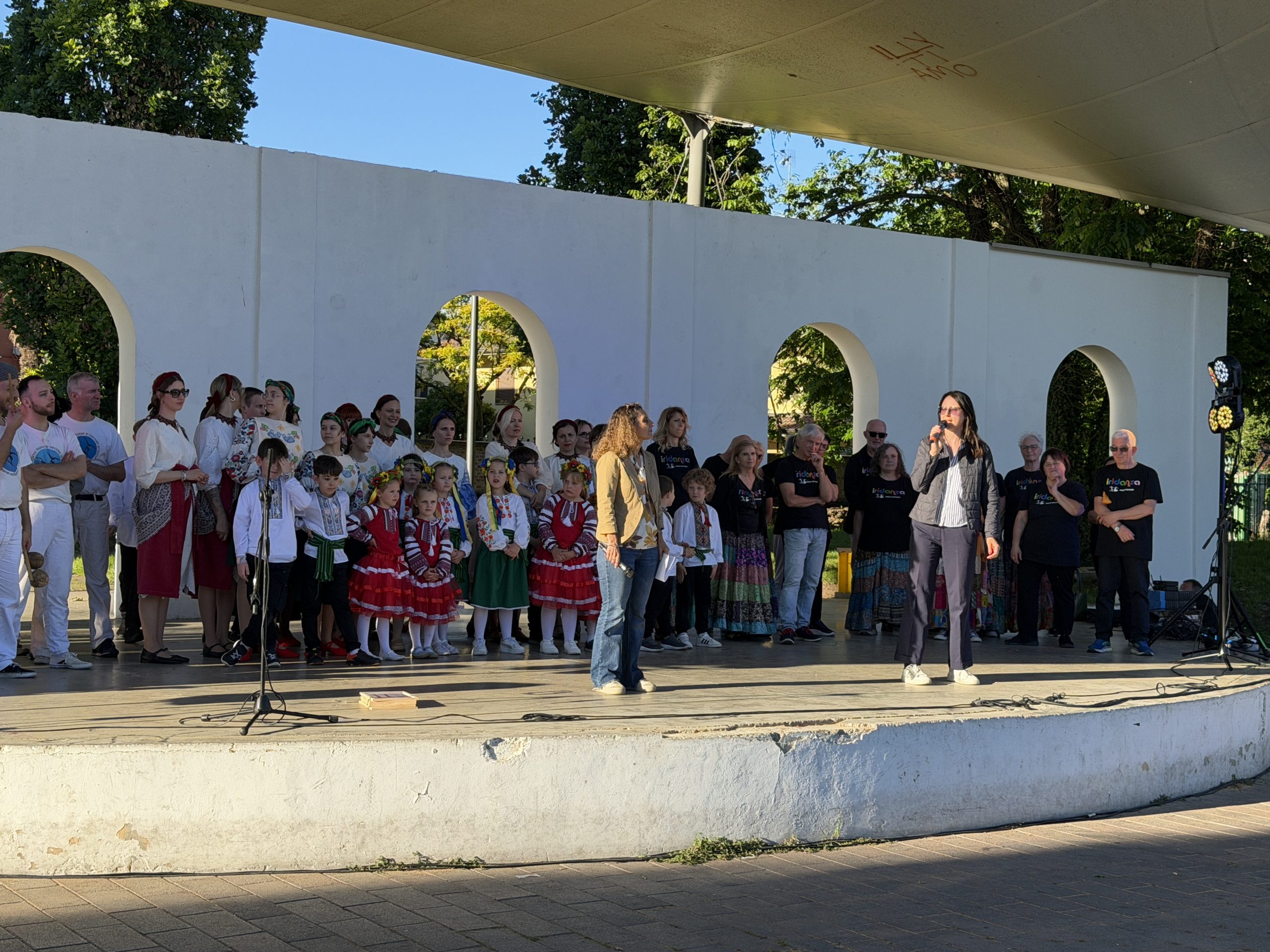
The event was jointly organized by the local municipal government and civic associations and was held for the second consecutive year. At 4:15 p.m. local time, performance groups from various countries, together with local volunteers, performed separately at Piazza Gavazzi, Piazza Repubblica, Piazza Matteotti, and Piazza Unità d’Italia in Cernusco sul Naviglio. At 6:15 p.m., all the groups gathered again for additional performances at Parco Trabattoni.
Among the many groups performing at Parco Trabattoni was The Church of Almighty God, a Christian group from China participating in the cultural festival for the first time this year, drawing considerable attention from the audience.
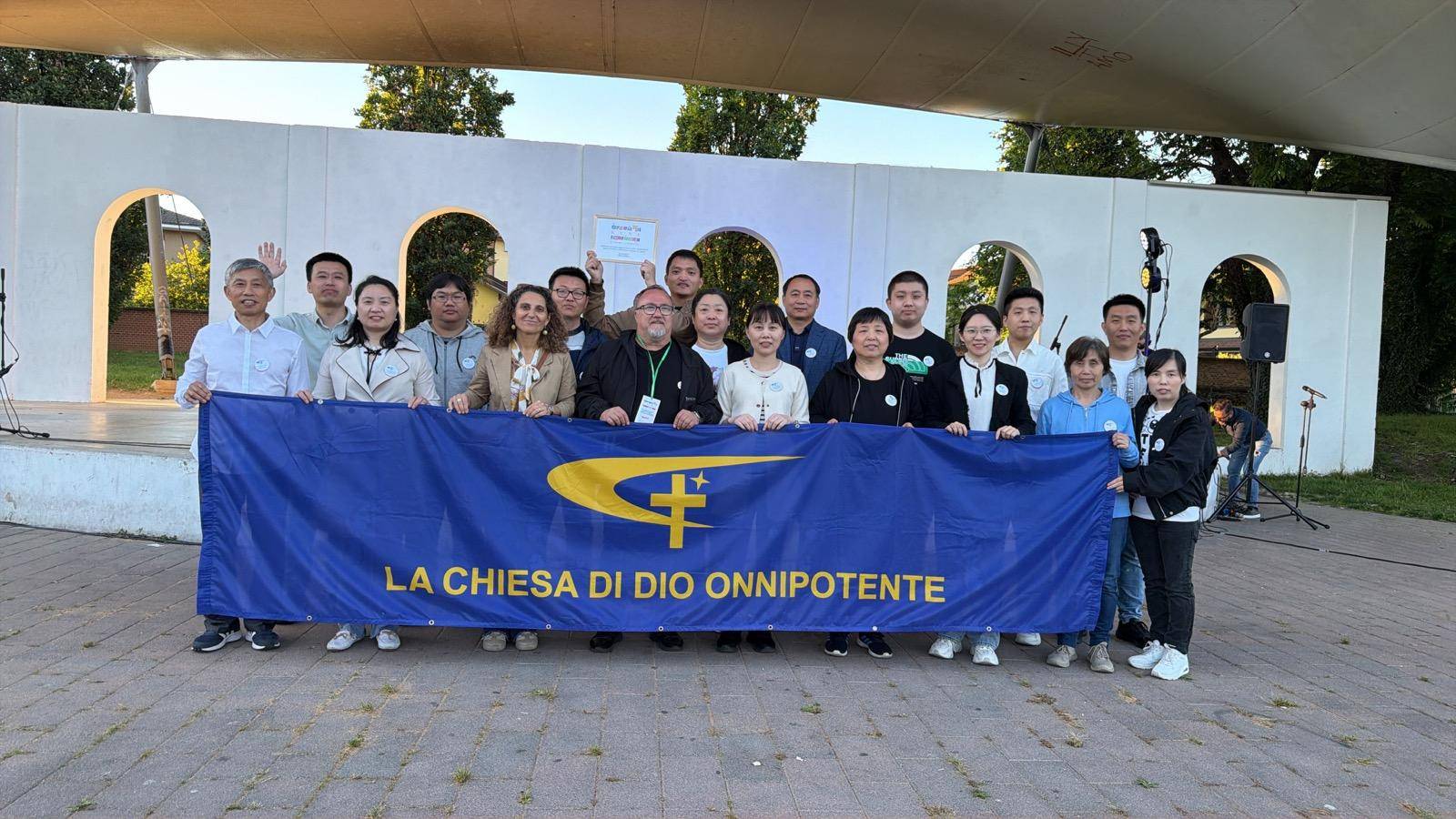
On the stage at Parco Trabattoni, Gianna, a CAG Christian, introduced herself to the audience in Italian, explaining that they had been forced to flee China because of religious persecution and were now living in Italy. She said, “Today, we are very happy to engage in cultural exchange through music and dance with friends from Italy and all over the world, so that we may come to know and understand one another better.” She added that they hoped cultural exchange would deepen friendship and spread love and peace.
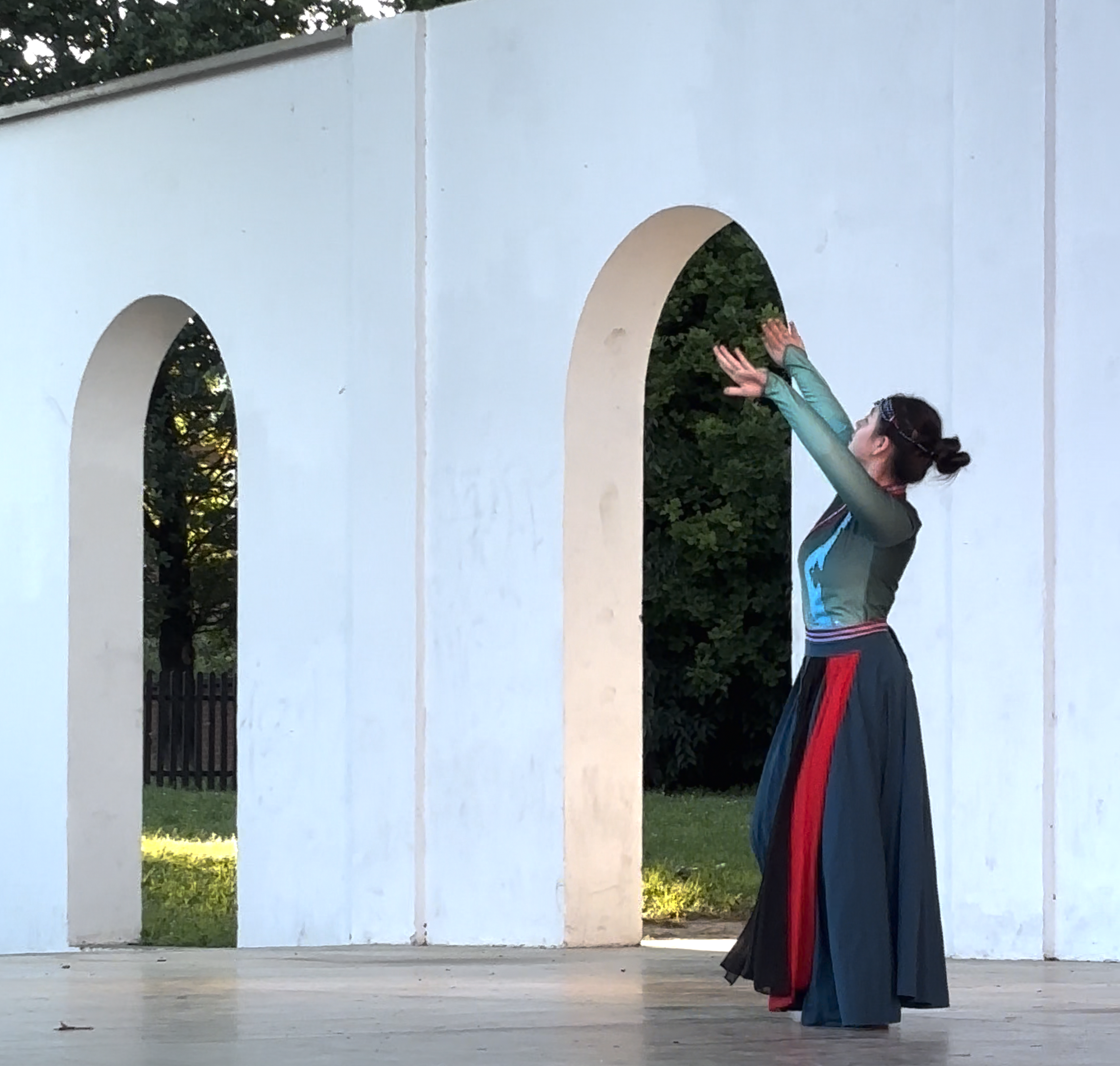
Afterward, another Christian, Sofia, performed the Mongolian dance White Horse. Combining traditional Mongolian dance movements with modern stage expression, her performance received warm applause from the audience.
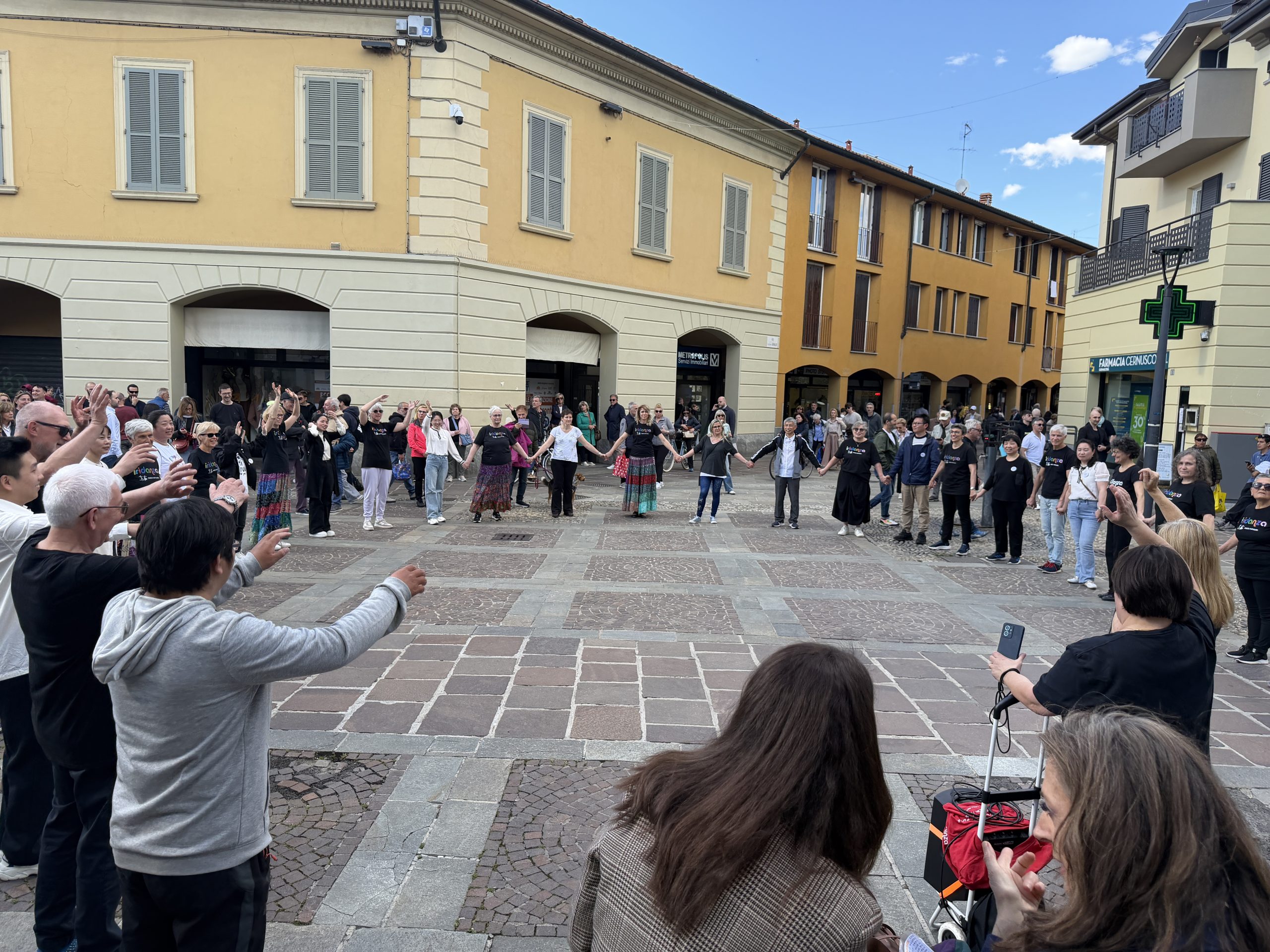
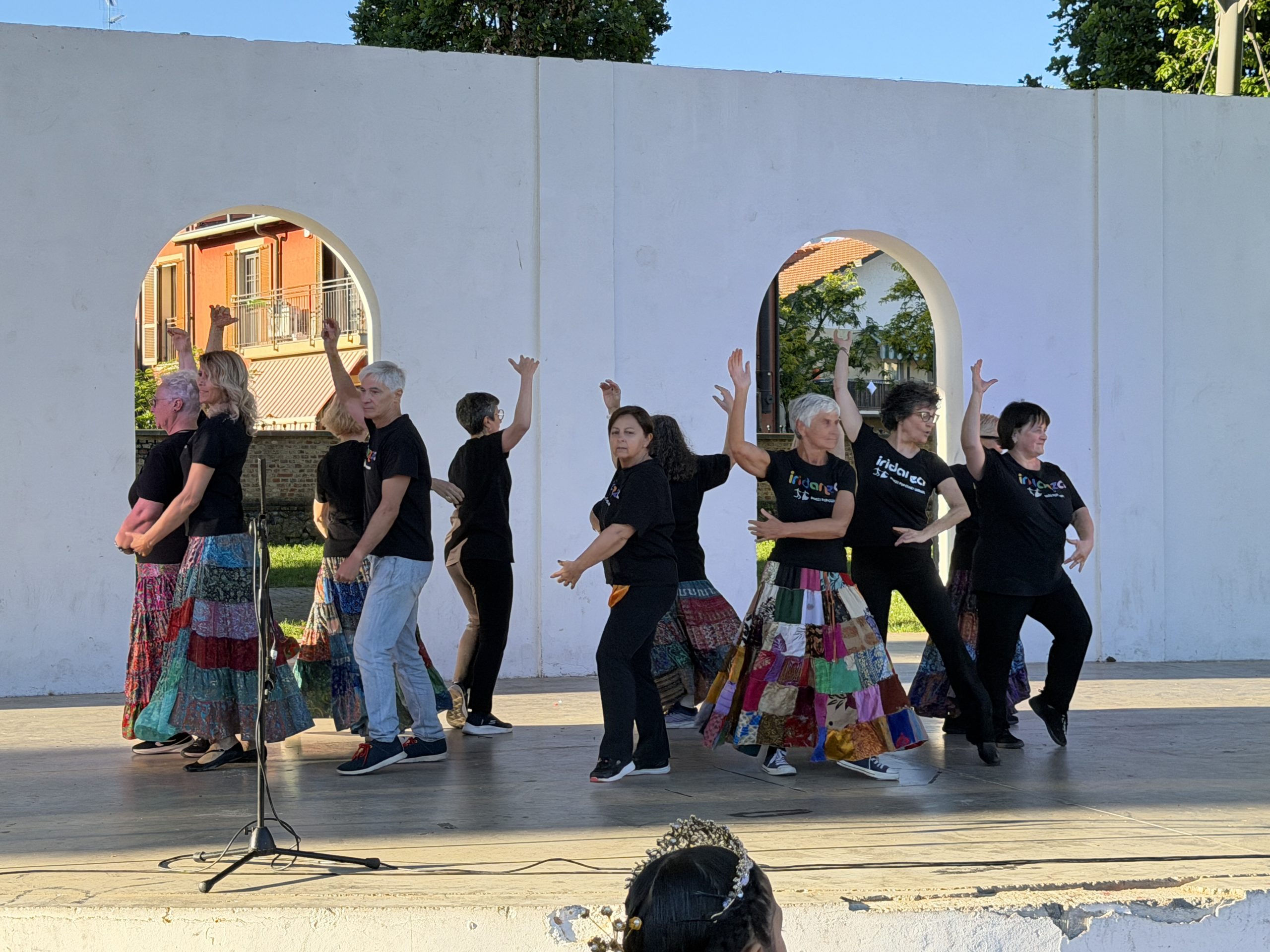
During the event, the Italian dance association Associazione Iridanza also organized highly interactive group performances and invited the Chinese Christians to participate. Members of the association stated that folk dance is “a universal language” capable of transcending cultural and linguistic differences, connecting people from different backgrounds, and fostering more direct and sincere human relationships.
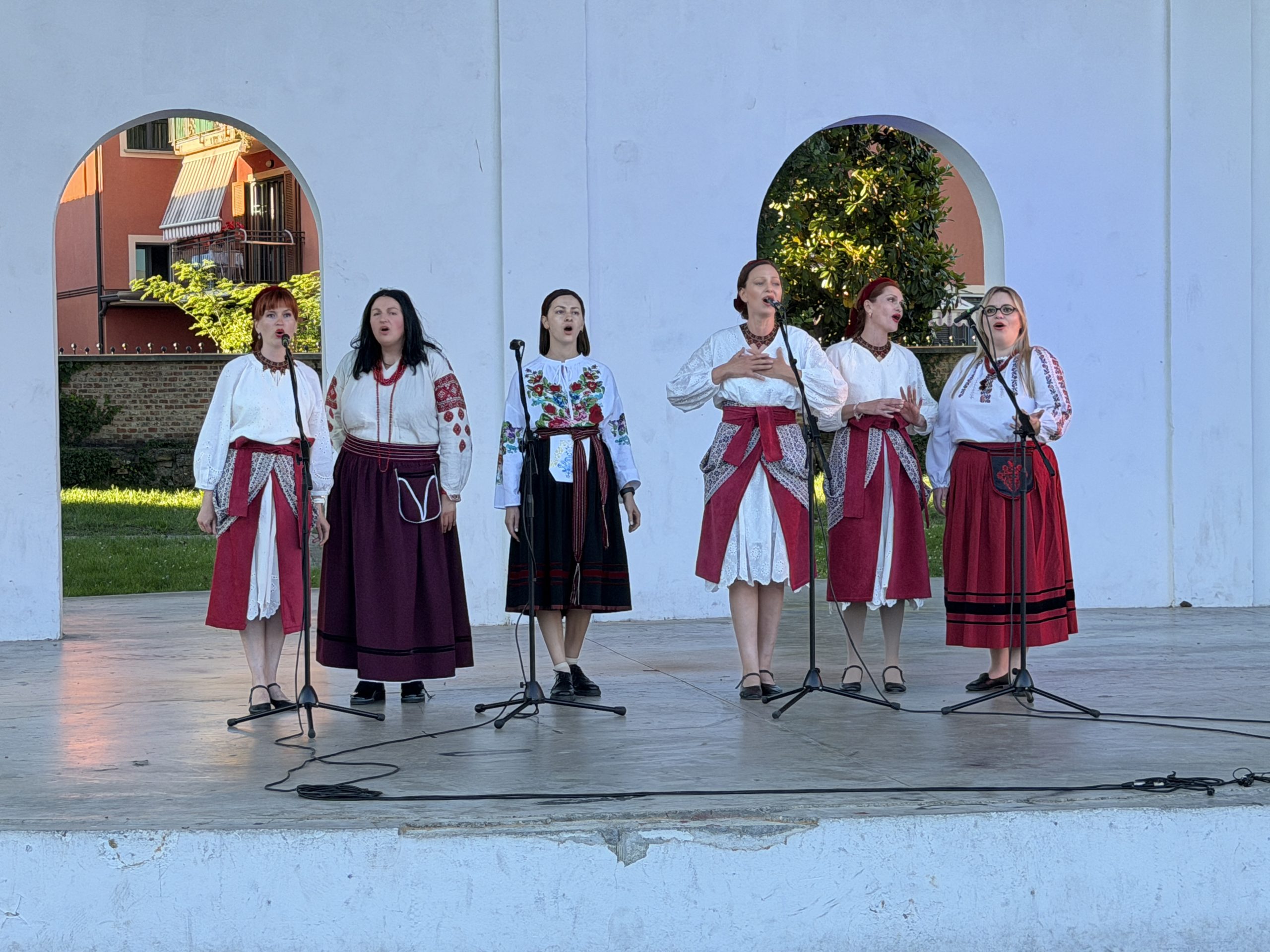
The Ukrainian cultural association Associazione Etnodim also presented traditional song and dance performances rich in ethnic characteristics. According to the person in charge of Associazione Etnodim, the association was founded in 2018 by a group of Ukrainian parents living in Italy who wanted their children to continue learning their native language and culture. Wearing reconstructed traditional Ukrainian costumes, the members introduced the richness and uniqueness of Ukrainian cultural traditions to local residents through music and dance.
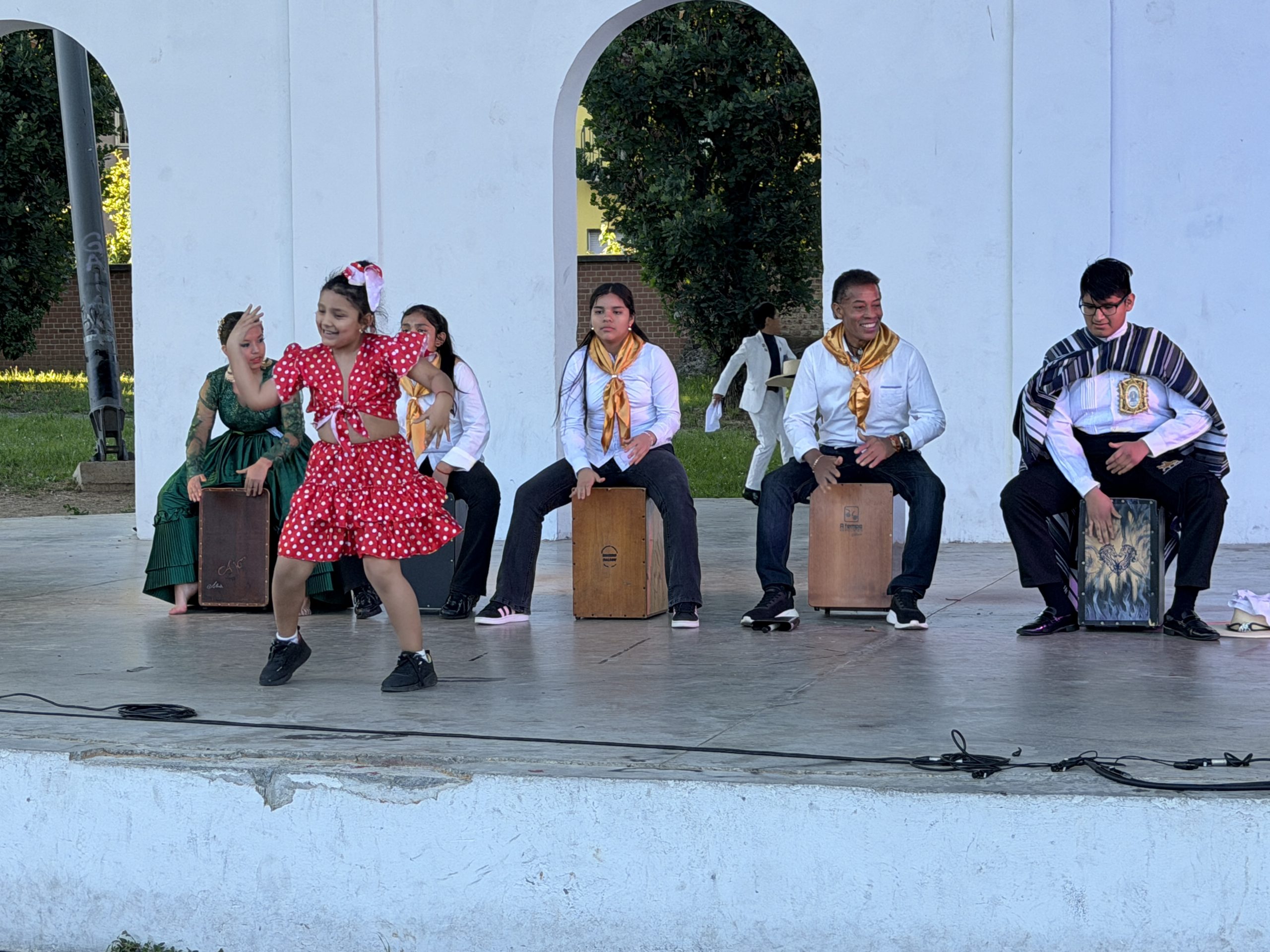
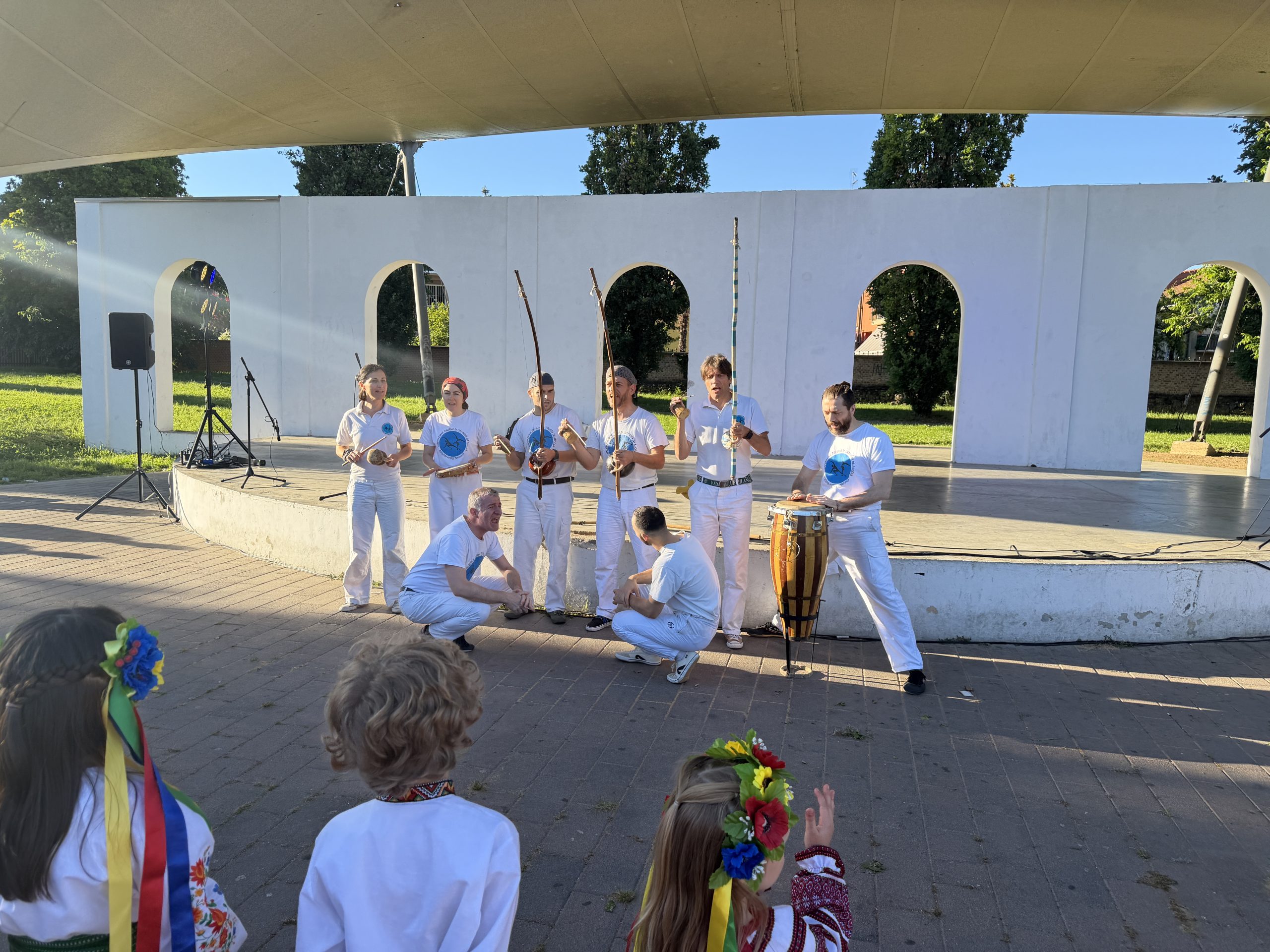
The Peruvian Dance Association, the Brazilian Capoeira group, and other organizations also took turns performing in various squares throughout the event. Residents were also able to taste traditional foods from around the world.
In her speech, Mayor Paola Lorena Colombo emphasized that, amid ongoing debates in European society over immigration and identity, festivals like this are especially meaningful. She stated, “If people remain isolated from one another, we will lose these colors, cultures, arts, and the ability to live together and connect with one another.”
Municipal council member Debora Comito also stressed that many immigrant cultures have already become part of the local community, but people often lack opportunities to truly understand one another.
Throughout the event, many local residents stopped in the town squares to watch and appreciate the cultural presentations from around the world. At the same time, numerous civic volunteers helped coordinate the movement of performance groups between the squares and parks and introduced audiences to the historical backgrounds and cultural characteristics of the participating countries.
The organizers stated that they hoped to create an open and relaxed environment through art, music, and dance, allowing people from different cultural backgrounds to interact, better understand one another, and reduce prejudice and social barriers.
For many people who were forced to leave their homelands and have begun new lives in Europe, this cultural festival was not merely a performance, but also an opportunity to publicly share their culture, express their identity, and speak about their experiences of faith.