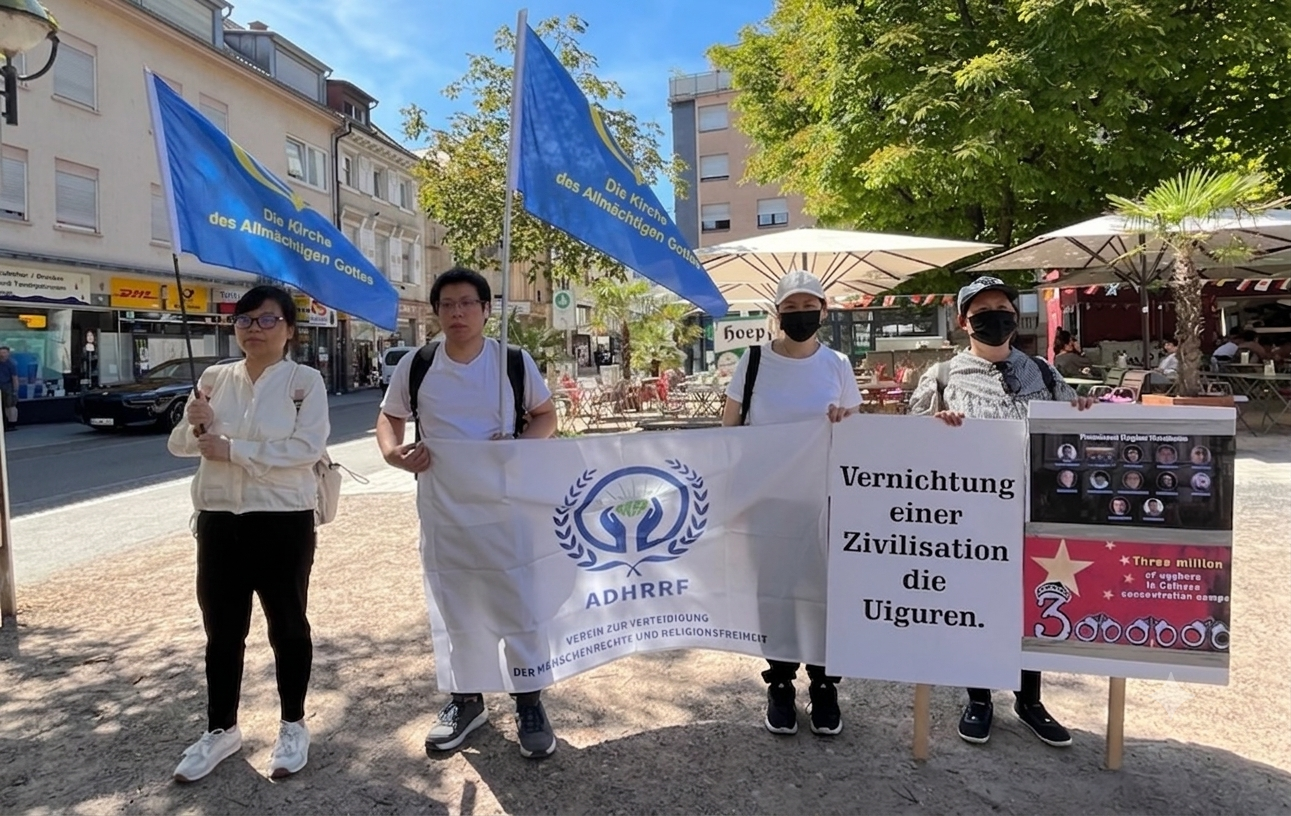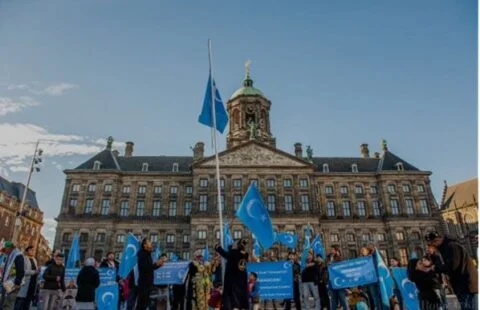
BERLIN — On October 1, 2026, from 4:00 to 6:00 p.m., the Association of Tibetans in Germany, the Tibet Initiative Germany, the Association for the Defense of Human Rights and Religious Freedom, the World Uyghur Congress, and Freedom for Hong Kong jointly organized a protest outside the Chinese Embassy in Berlin. Held under the slogan “Wir pfeifen auf China” (“We’re Whistling in Protest Against China”), the demonstration aimed to draw attention to human rights, religious freedom, and fundamental rights.
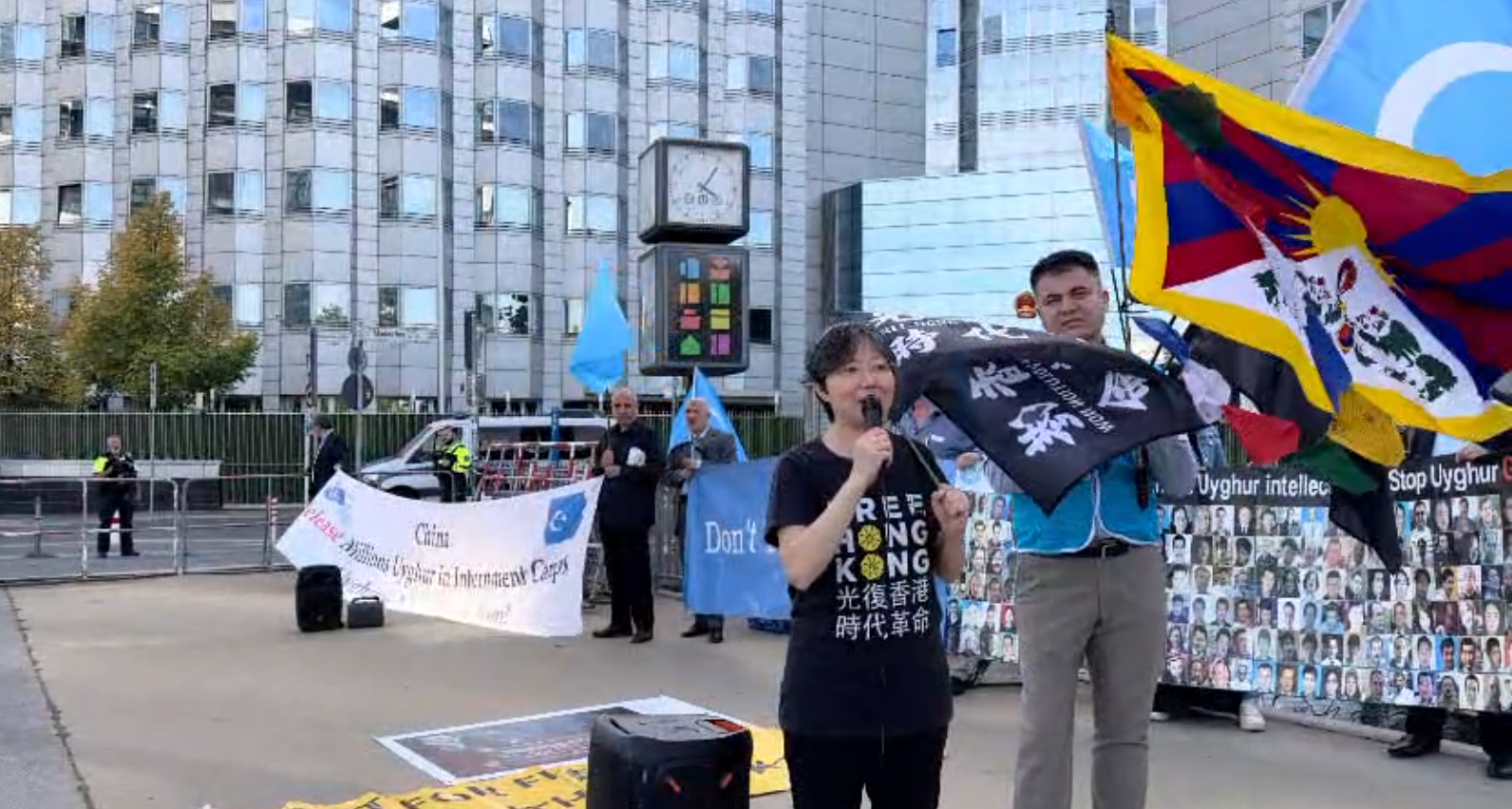
The event was hosted by Amy Siu, vice chair of Freedom for Hong Kong Representatives from diverse ethnic, religious, and regional backgrounds delivered speeches, sharing their experiences and perspectives. They voiced their opposition through banners, chants, and whistles.
In her opening remarks, Amy Siu said that while Chinese authorities were celebrating a national holiday, oppressed communities had nothing to celebrate. Although participants from different backgrounds and ethnic groups had experienced different forms of suffering, she said, they had come together to break the silence and make their voices heard loud and clear. By blowing whistles, they expressed their protest and rejection of oppression, ensuring that both the Chinese Embassy and the international community heard their call to defend freedom and human rights.
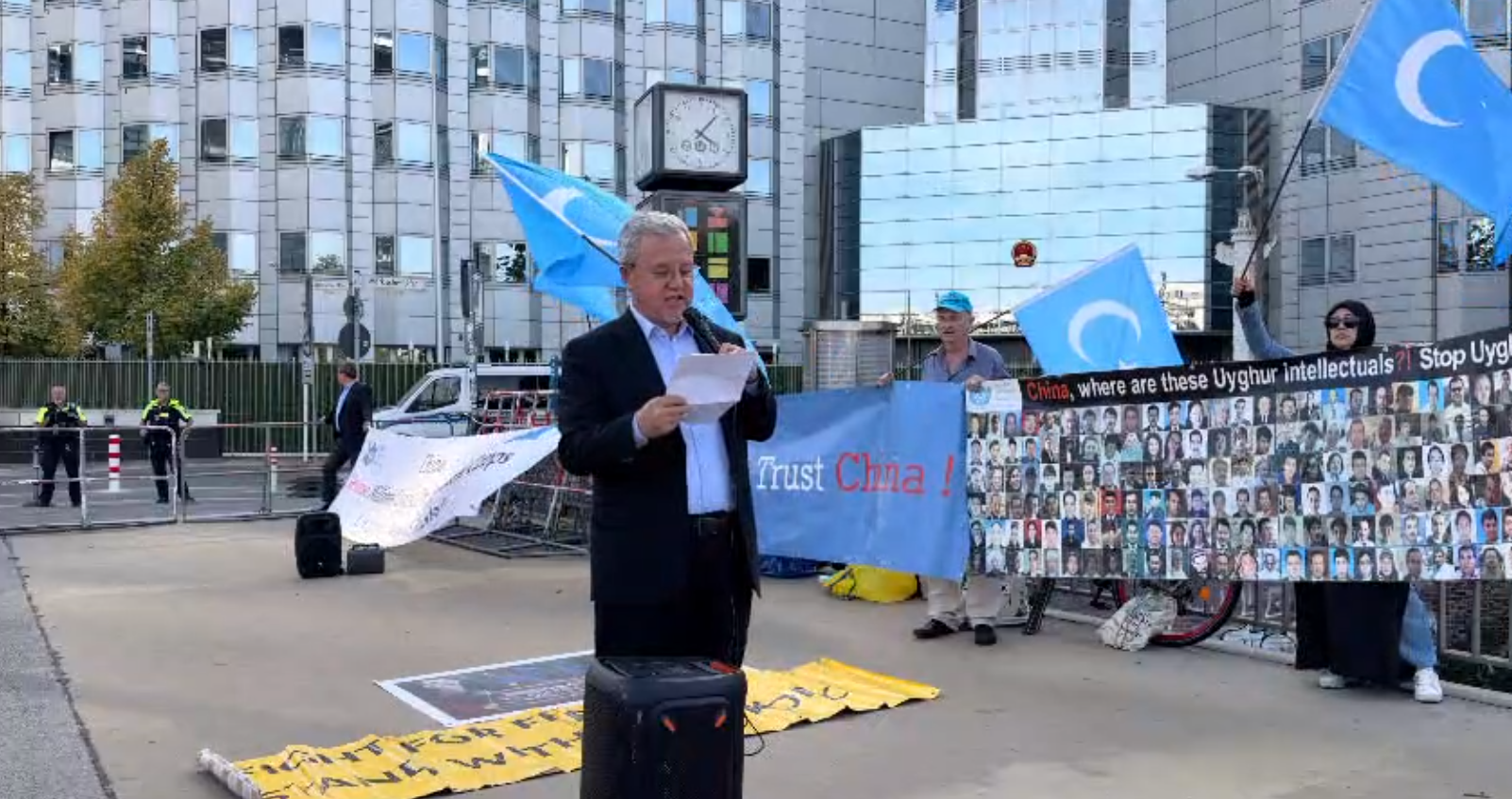
Turgunjan Alawdun, chairman of the World Uyghur Congress (WUC), spoke next. He strongly condemned systematic repression and policies of forced assimilation. He also pointed out that Uyghurs face severe restrictions on their cultural, linguistic, and religious freedoms, and that large numbers of Uyghurs have been detained. He noted that these human rights violations have been documented by the UN and international organizations. Turgunjan Alawdun also raised particular concerns about the Law of the People’s Republic of China on Promoting Ethnic Unity and Progress, which took effect on July 1, 2026. He accused the Chinese authorities of using the rhetoric of “unity” as a pretext to erode ethnic minorities’ cultural and religious identities. He called on the Chinese government to immediately release those arbitrarily detained, reunite children who have been forcibly separated from their families with their loved ones, end forced labor, and genuinely respect religious and cultural freedoms.
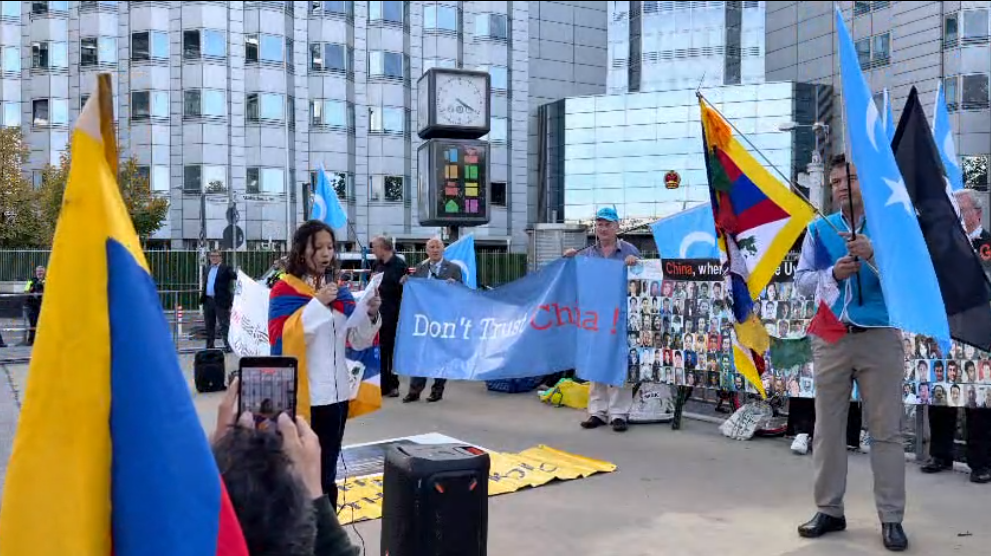
Zinanze, a young Tibetan representative, exposed what she described as the reality behind the Chinese government’s official propaganda about “unity,” arguing that it lacked genuine freedom. She pointed out that, behind the rhetoric of “unity and development,” Tibetans’ linguistic, cultural, and religious autonomy faces the risk of being eroded through forced assimilation. Zinanze specifically highlighted the damage caused by compulsory boarding schools to the transmission of Tibetan culture to younger generations, as well as official interference in Tibetan religious affairs, including the recognition of the reincarnations of the Dalai Lama and the Panchen Lama. Emphasizing that “longing for freedom is not a crime,” Zinanze called on the international community to safeguard Tibetans’ fundamental rights to use their own language, preserve their history and culture, and determine their own future.
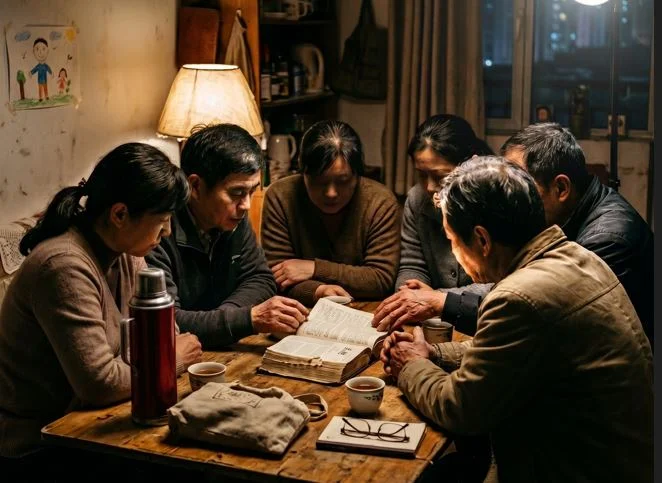
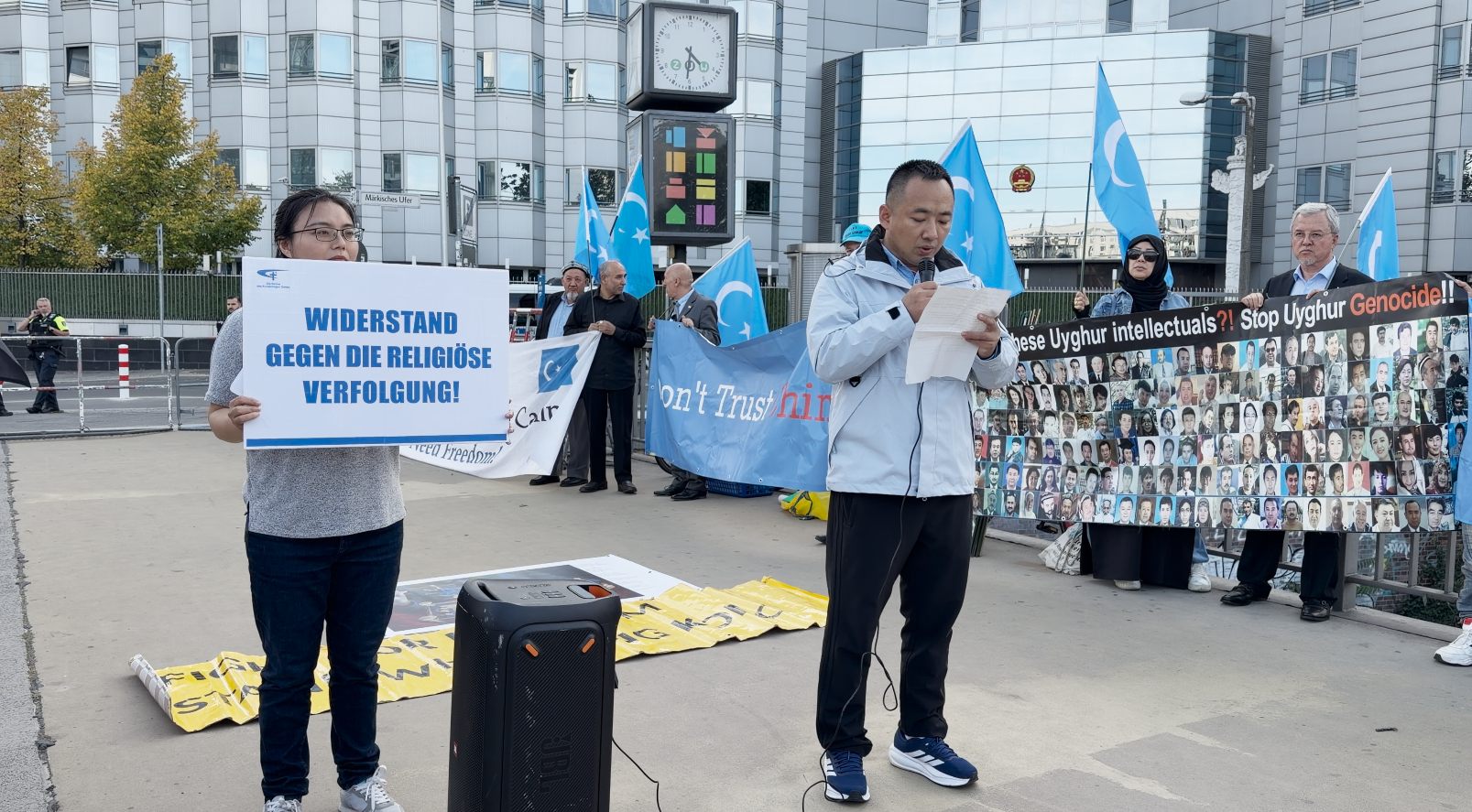
Dong Ming, a representative of The Church of Almighty God (CAG), described the ongoing persecution of CAG Christians in China. Citing statistics, he stated that in 2025 alone, more than 55,000 CAG Christians were persecuted, over 19,000 were arrested, and nearly 9,000 were subjected to torture. The oldest victim was 93 years old. Dong Ming stressed that “assimilation that tramples on human dignity and faith is not genuine unity.” Dong Ming called on the international community and European governments to pay close attention to religious freedom and the rights of minority groups in China. He also expressed solidarity with Christians facing persecution in China, stressing that belief and freedom of expression are not crimes.
In an interview at the event, Amy Siu, vice chair of Freedom for Hong Kong, said that October 1 represents a day of national mourning for Hong Kong people—a day marking the loss of freedom, culture, and language. With people in Hong Kong no longer able to speak out freely, Hong Kongers living overseas must step forward and raise their voices in opposition. She also argued that in essence, the newly enacted Law on Promoting Ethnic Unity and Progress is a political tool designed to tighten control and intensify pressure.
Haiyuer Kuerban, director of the Berlin office of the World Uyghur Congress, emphasized in an interview that October 1 marks a tragic historical turning point for Uyghurs, commemorating the loss of independence and autonomy. He said the new legislation merely formalizes in law more than seven decades of policies aimed at assimilating Uyghur culture, language, and religion. He also warned that the new law brings overseas protest activities within the scope of potential punishment. Haiyuer Kuerban stated that, despite severe persecution and genocide, Uyghurs continue to hold firmly to their aspirations for freedom, independence, and a future of their own.
The event concluded with a united call from representatives present. They urged the international community to consistently focus on human rights, religious freedom, and the rights of minority groups in China. They also pledged to continue raising their voices together in defense of fundamental freedoms, human dignity, and human rights.